
Last updated November 20, 2026
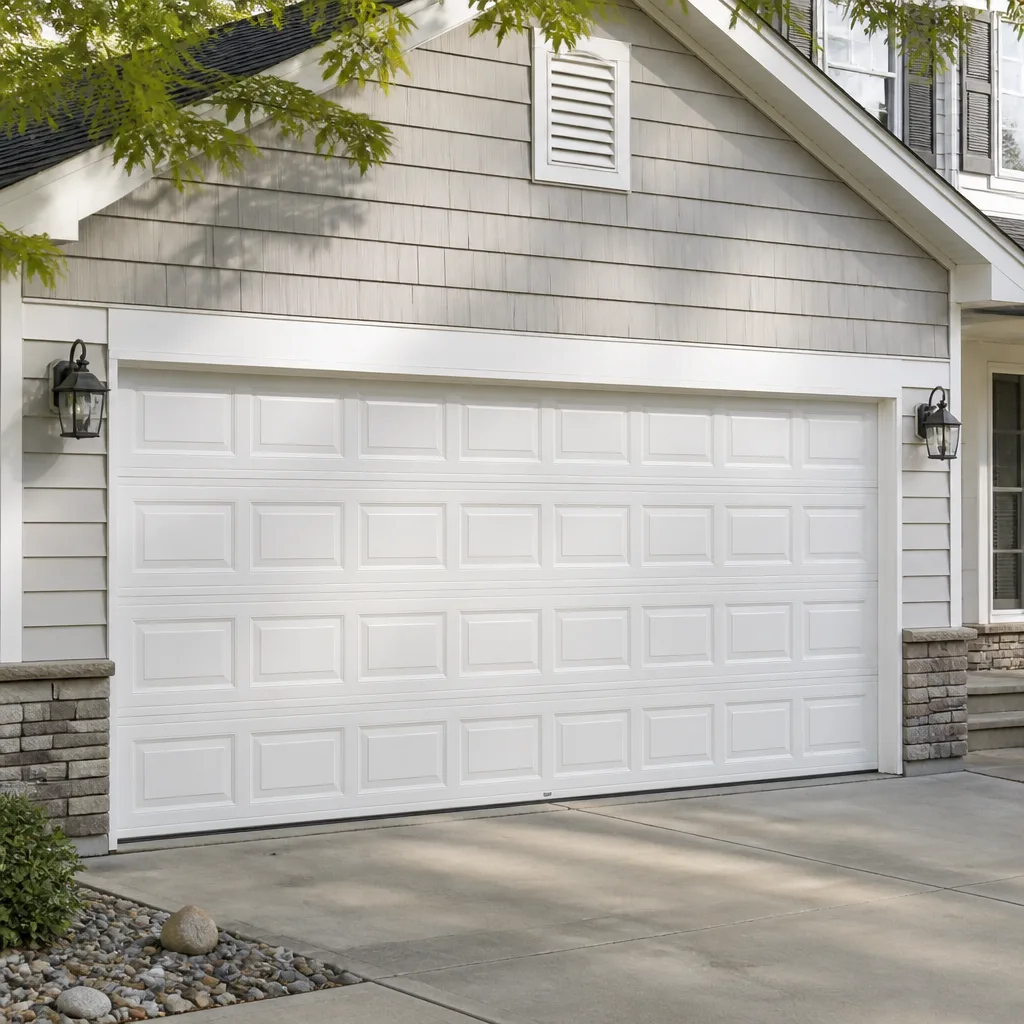 Raised-panel steel
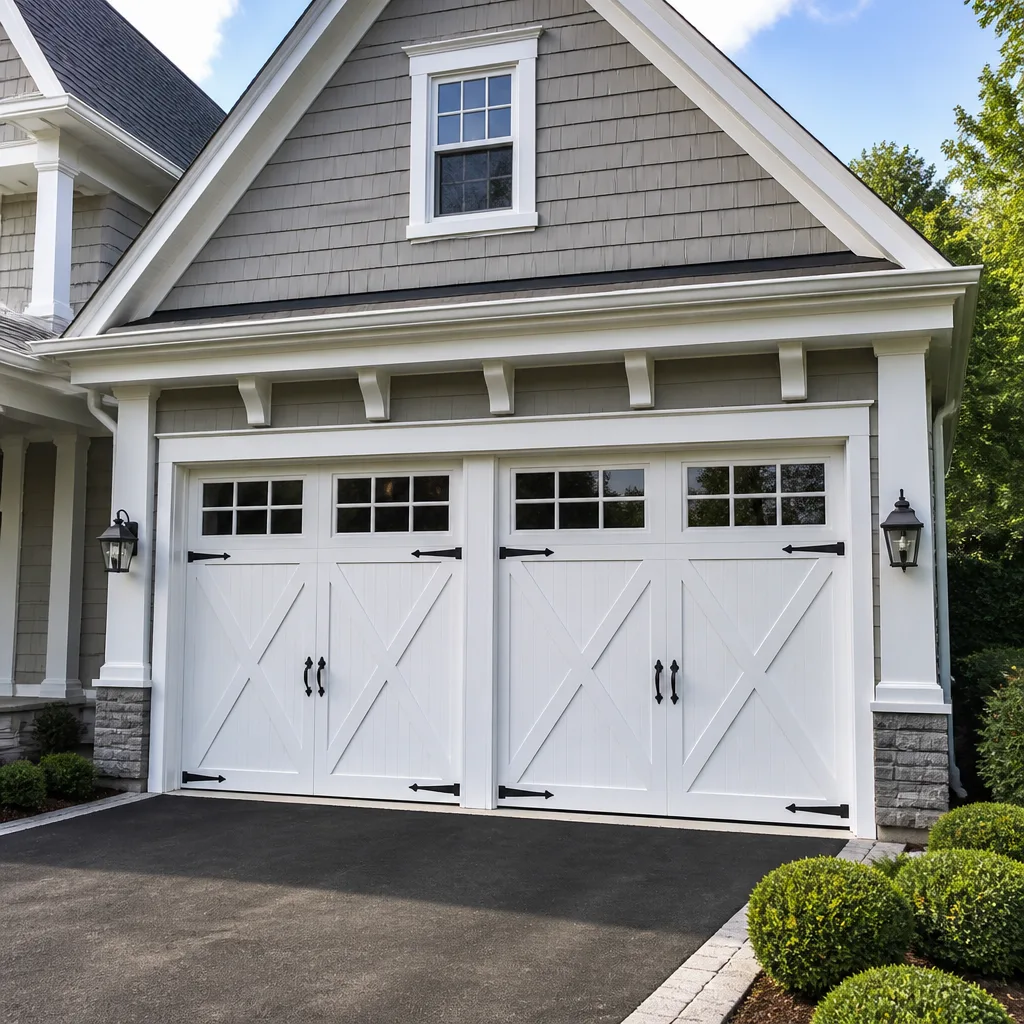 Carriage house
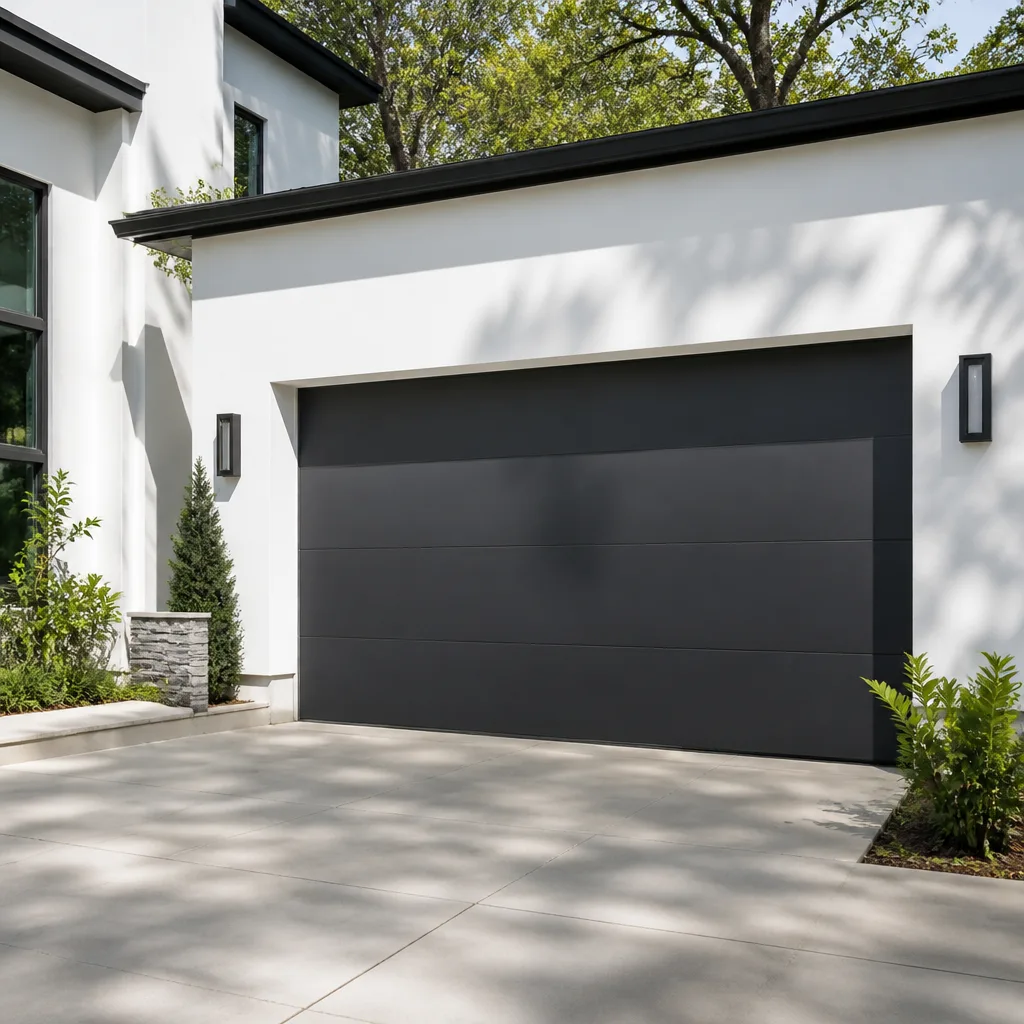 Modern flush
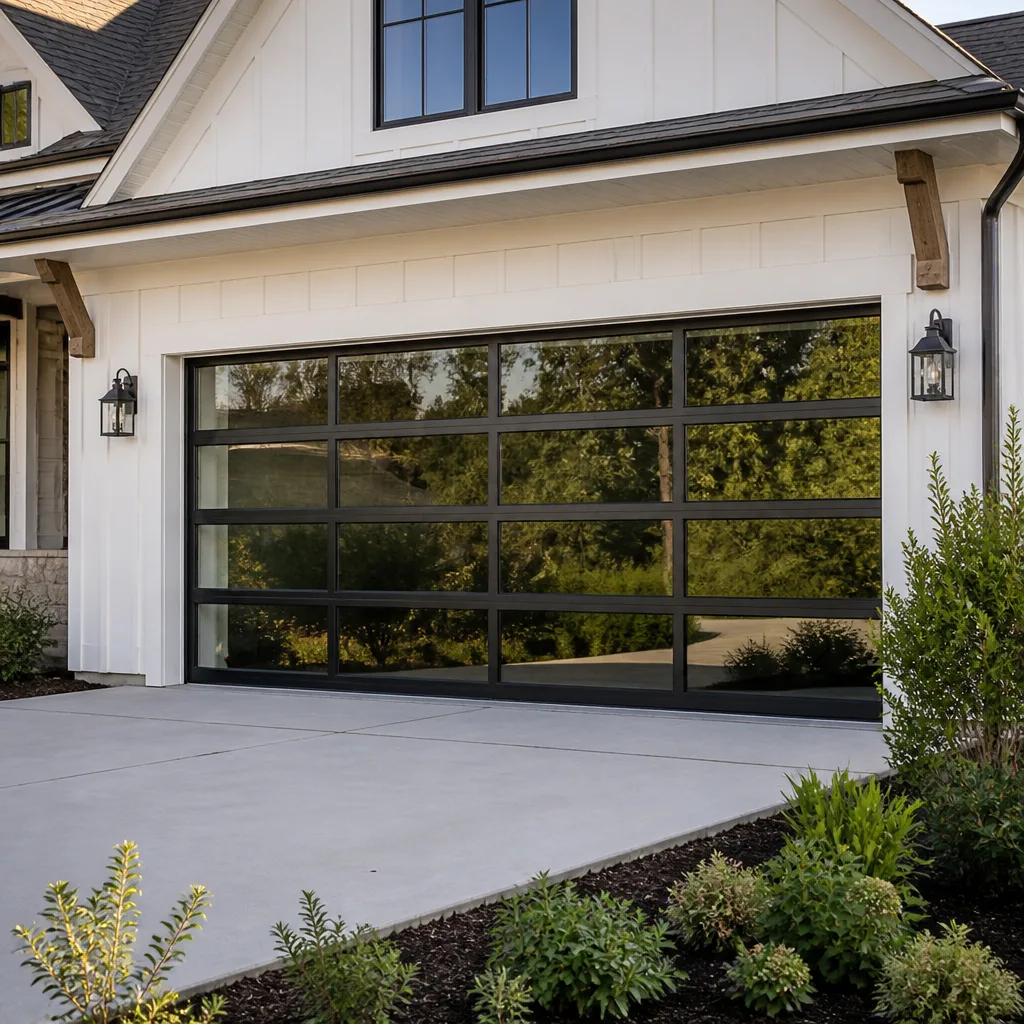 Full-view glass
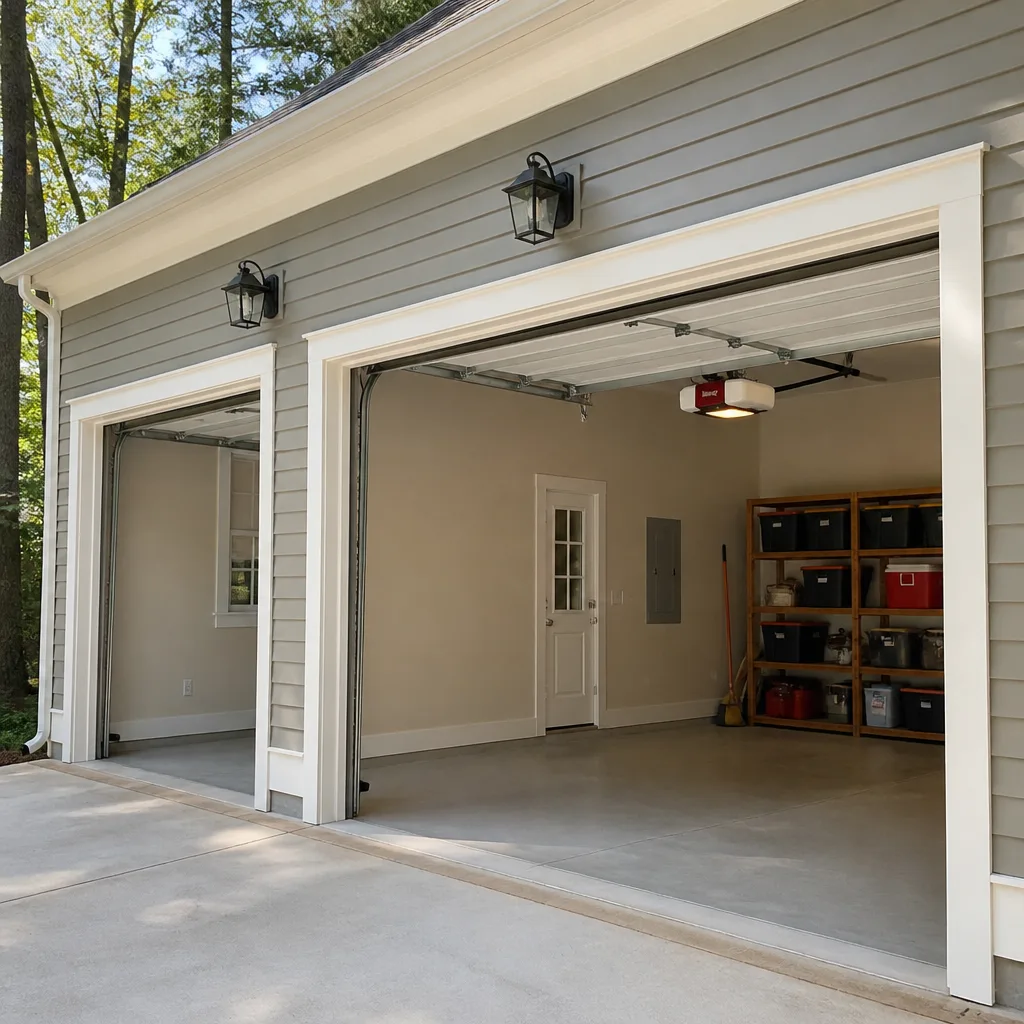 LiftMaster openers
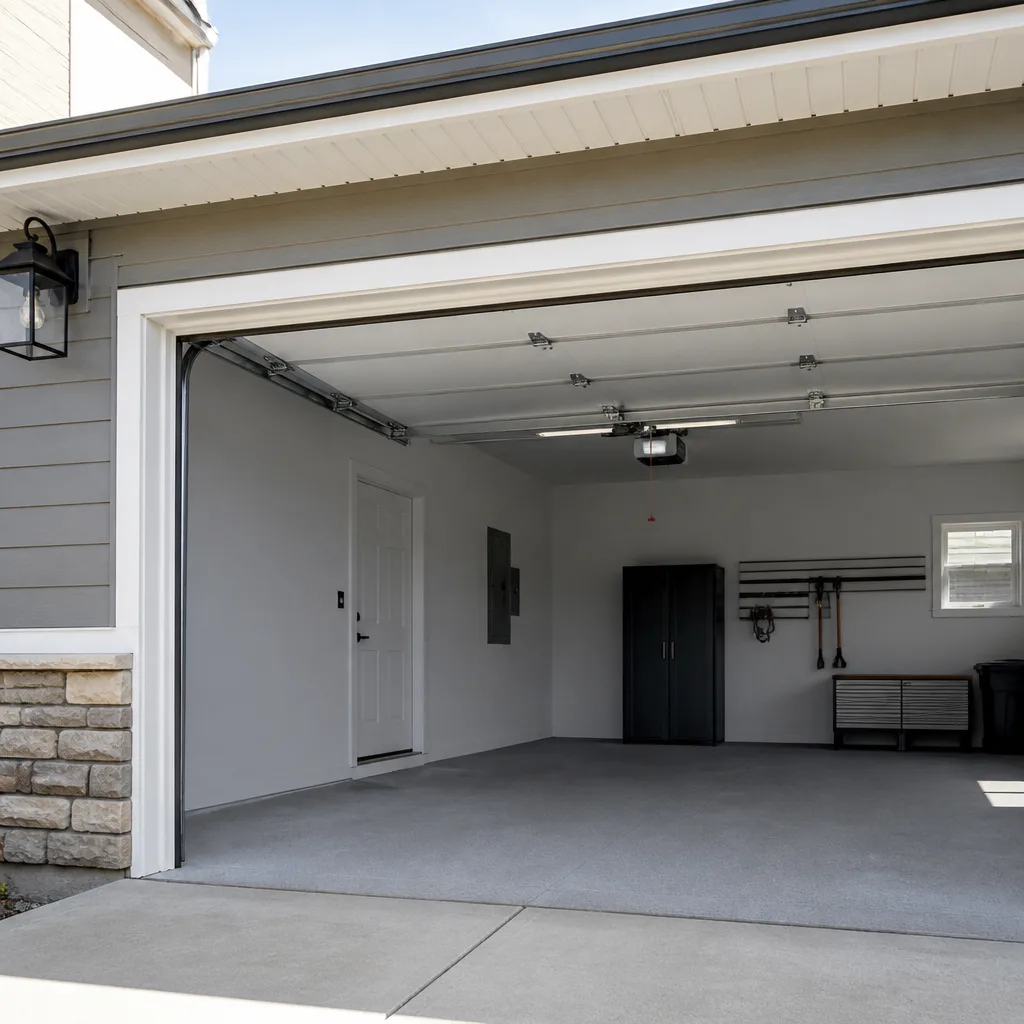 Chamberlain openers
Full 25-point door and opener safety check with every visit - springs, cables, rollers, tracks, and your LiftMaster or Chamberlain opener included
You get a price before we start. It does not change when the pro arrives.
Get your free estimateGarage Door Permits, Codes & Inspections in Federal Way, WA: What You Need to Know
Most Federal Way homeowners assume any garage door project needs a permit, so they either overthink a simple door swap or skip the paperwork on the job that actually needed it. The truth runs the other way: a door-for-door replacement usually needs no permit at all, while the projects that change the opening, the header, or the structure almost always do. Knowing which is which keeps a Federal Way remodel on schedule and keeps a future home sale from stalling at inspection. This guide walks through what City of Federal Way Building Division rules cover, how Washington’s energy code touches insulated doors, where UL 325 opener standards fit into an inspection, who should pull the permit, and how to document the work if you ever sell the house.
Quick Answer
In Federal Way, a like-for-like garage door replacement usually needs no permit, but any project that changes the rough opening, alters or replaces the structural header, or creates a new opening requires a building permit from the City of Federal Way Building Division. If the door sits on a conditioned garage space, Washington State energy code (WAC 51-11C) may require an insulated door and can trigger a compliance review. When in doubt, ask the city’s building department before you order the door.
Styles & brands we work with
- Raised-panel steel
- Carriage house
- Modern flush
- Full-view glass
- LiftMaster openers
- Chamberlain openers
Table of Contents
- What Actually Triggers a Garage Door Permit in Federal Way?
- What Does “Like-for-Like Replacement” Mean in Federal Way?
- Washington’s Energy Code and Insulated Doors (WAC 51-11C)
- How UL 325 Opener Standards Fit Into a Permitted Project
- Who Pulls the Permit in Washington State, and Who Owns the Risk?
- How to Document the Work Before You Sell
- What an Inspection Day Looks Like
- How Federal Way’s Climate and Housing Shape the Rules
What Actually Triggers a Garage Door Permit in Federal Way?
The short version: a swap that matches the old door in size and structure is one thing, and a project that changes the opening is another. The City of Federal Way Building Division treats garage door work the way most Puget Sound jurisdictions do, focusing on structural change rather than cosmetic replacement. Here’s how the three scenarios break down.
- Door-for-door replacement (usually no permit): If you’re replacing an existing door with one of the same size in the same opening, with no framing or header changes, this is typically treated as a maintenance item. A standard garage door repair or replacement in this category doesn’t usually require a permit, though it’s smart to confirm with the city on your specific address.
- Structural changes (permit required): Any project that modifies the rough opening, replaces or reinforces the header above the door, changes the wall framing around the opening, or alters the load path requires a building permit. This includes widening a single-car opening to a double, which many Federal Way homeowners consider when upgrading an older home.
- New openings and new construction (permit required): Cutting a new opening into a wall that didn’t have one, or building a garage where none existed, is a structural project and always needs a permit with plans review.
What surprises a lot of Federal Way homeowners is that the door itself, the panel and track assembly, rarely triggers a permit on its own. The trigger is the structure holding it up. If the framing isn’t changing and the opening isn’t changing, the permit question usually doesn’t come up. If either is changing, it does.
What Does “Like-for-Like Replacement” Mean in Federal Way?
“Like-for-like” is the term that shows up in permits and home sale disclosures, but its legal meaning in Federal Way’s jurisdiction comes down to what the building inspector can verify on site. A like-for-like replacement is one where the new door matches the old door in opening dimensions, track layout, header configuration, and overall structural impact. The door style can change; the structure can’t.
That distinction matters for two reasons. First, a like-for-like job that’s genuinely a swap typically doesn’t need a permit, so documenting it as such saves the cost and time of a permit application. Second, if the work did need a permit and got done as “like-for-like” anyway, you’re exposed when you sell, because an inspector during a pre-sale or a buyer’s inspection can flag unpermitted structural work and hold up the closing.
To establish that a replacement qualifies as like-for-like, keep records that show:
- The new door’s size and the old door’s size match (measurement records or the manufacturer spec sheet)
- Track layout was not modified (photos before and after)
- No framing or header changes were made (written statement from whoever did the work)
- The old door was removed and a new door was installed in the existing opening
If a project genuinely changed the structure, the right answer is a permit, not a workaround. Building inspectors in Federal Way ask exactly these questions, and a clear paper trail settles them quickly.
Washington’s Energy Code and Insulated Doors (WAC 51-11C)
Washington State’s energy code (WAC 51-11C) applies to the thermal envelope of a home, and that includes the wall between a conditioned living space and an unconditioned garage. For most Federal Way homes, the garage itself is unconditioned, so the wall between the house and the garage matters more than the garage door. But when a garage is conditioned, or when a door project is part of a larger remodel that triggers energy code review, the door’s insulation value becomes part of the conversation.
An insulated garage door carries an R-value, a measure of how well it resists heat flow. Higher R-values mean better insulation. The energy code sets a minimum for garage doors in conditioned spaces, and if the project falls under that scope, the inspector will want to see the door’s spec sheet showing it meets the requirement. This is where an uninsulated steel door from a big-box store can fail an inspection that an insulated door from a brand like Clopay would pass without argument.
Federal Way’s climate matters here. Cool, wet winters with frequent rain and moderate summer temperatures mean garages here see a lot of temperature swings across the year. An insulated door helps stabilize the temperature on whichever side of it the conditioned space sits, whether that’s a garage converted to a workshop or a bonus room above the garage. When a permit is triggered, the energy code review is the step where that insulation value gets checked.
What to have ready for an energy code review
- The door’s R-value from the manufacturer’s spec sheet, not from a sales brochure
- Confirmation of whether the garage is conditioned or unconditioned
- The wall assembly between garage and house, if the project touches it
- Any documentation showing the project is a like-for-like replacement that doesn’t trigger full energy code review
If you’re unsure which category your project falls into, ask the City of Federal Way Building Division directly. It’s a two-minute question that saves a lot of heartburn.
How UL 325 Opener Standards Fit Into a Permitted Project
UL 325 is the safety standard for garage door operators, and it’s the reason modern openers have entrapment protection. The standard requires that a door either reverses or stops when it senses an obstruction, and it covers the sensors, the force limits, and the way the opener handles an object in its path. When an opener is installed as part of a permitted garage door project, the inspector may want to see that the opener meets UL 325 as part of the final inspection.
This matters because a permit inspection is where a lot of old openers get flagged. An opener that predates current UL 325 requirements, or one that’s been modified, can be a compliance issue even if the door itself passes. If the opener is being replaced at the same time as the door, choosing a current model from LiftMaster or Genie removes the question. If you’re keeping an older opener, an inspection is a good time to have it checked against UL 325 requirements.
For most Federal Way homeowners, the practical implication is this: the opener and the door need to work as a system, and the inspection looks at both. Entrapment protection sensors have to be in place and tested. The force setting has to be within spec, and the mechanical parts have to move freely. When we handle garage door opener repair on a project like this, we test the system against UL 325 before the inspector sees it.
Who Pulls the Permit in Washington State, and Who Owns the Risk?
In Washington State, the permit can be pulled by the homeowner or by the contractor doing the work. That choice carries real liability implications. When the homeowner pulls the permit, the homeowner is the “permit holder of record” and is responsible for making sure the work matches the permit and for scheduling inspections. When the contractor pulls it, the contractor carries that responsibility and the record shows who did the work.
For a garage door project in Federal Way that changes structure, the practical guidance is this: use a licensed contractor and let the contractor pull the permit. The reasons stack up:
- The permit record names the entity that did the work, which protects you at sale
- The contractor handles the inspection scheduling, which requires knowing what the inspector wants to see
- If something fails inspection, the contractor is on the hook to correct it, not you
- Your homeowner’s insurance is less likely to raise questions if a permitted project was done by a licensed professional
There’s also the unlicensed-work scenario to think about. When an unpermitted structural change is discovered during a home sale in Federal Way, the seller is often required to either get a retroactive permit (which sometimes means tearing into finished walls to show the structure) or disclose the unpermitted work and accept a reduced sale price. Neither is cheap. A permit pulled correctly at the time of the work avoids both problems.
How to Document the Work Before You Sell
Whether your garage door project needed a permit or not, good documentation makes a future sale easier. Federal Way’s housing stock includes a lot of homes that have been through multiple owners, and unrecorded changes are common. Getting ahead of that with a clean paper trail is one of the easiest things you can do as a homeowner.
Here’s the documentation that holds up in a sale:
- Permit number and final inspection record for any structural project. The City of Federal Way keeps these on file; keep your copy with your home records too.
- Pre-and-post photos of the opening before any framing changes and after the new door is installed. Timestamped is better.
- The door spec sheet showing size, model, R-value, and brand. Keep the manufacturer’s literature, not just the receipt.
- The written scope of work describing exactly what was done. A one-page statement from the contractor, signed and dated, covers the like-for-like question in most cases.
- Receipts for materials (door, opener, hardware) to confirm the work was actually done and by whom.
If a project was like-for-like and needed no permit, the written scope of work and photos are typically enough to satisfy a buyer’s inspection question. If a project needed a permit, the final inspection record is the gold standard. Either way, spending ten minutes organizing a folder around the project saves a lot of back-and-forth later.
What an Inspection Day Looks Like
When a garage door project does require a permit, the inspection is a small, focused visit. An inspector typically checks the structure, the door’s operation, the opener, and the documentation against the approved plans. Federal Way’s building department schedules inspections through its normal process; the contractor usually sets it up.
What the inspector is looking at on a garage door project:
- Structural framing: the header, the jambs, and any new framing matches the approved plans
- The door installation: tracks level, door balanced, hardware installed per manufacturer instructions
- The opener: UL 325 compliant, entrapment sensors installed and functional, force limits within spec
- Energy code: the door’s R-value meets the code requirement if the project triggered review
- Documentation: the permit is on site, the installed work matches what’s on the permit
Most garage door permit inspections pass without drama when the work is done by a contractor who knows what the inspector wants. The failures we’ve seen come from mismatches between the approved plans and the installed work, or from openers that predate UL 325 and haven’t been updated. A garage door spring repair done during the same project is usually fine to complete before the inspection, as long as it’s documented.
A note on spring safety during inspections
The springs, cables, and high-tension hardware on a garage door are the dangerous part of the system, and inspection is not the place to test anything yourself. Coils under tension can cause serious injury if a tool slips or someone tries to adjust them by hand. If the inspector flags a spring or cable issue, that’s a job for a trained technician. We don’t recommend homeowners handle anything more than visual checks (rust or broken coils) and the safety reversal test on the opener.
How Federal Way’s Climate and Housing Shape the Rules
Federal Way sits in a cool, wet Puget Sound climate, and that shapes both the door maintenance picture and the code context. Rain and humidity are the constant, and the seasonal temperature swings between an unheated garage and the living space above it are significant through the winter. Insulated doors matter here in a way they don’t in a milder climate, and the energy code treats them that way.
Federal Way’s housing stock ranges from mid-century homes to newer builds, and a lot of the older garages have narrower single-car openings than today’s standard. A homeowner who wants to widen one of those openings will trigger a permit because the framing changes. Homeowners in established Federal Way neighborhoods who are replacing a door of the same dimensions usually won’t. The door brand commonly installed in Federal Way homes covers the full range; Raynor and Chamberlain both show up often, and LiftMaster openers are widespread.
The neighborhood character of Federal Way matters too. A community that spans from the neighborhoods around the Commons to the residential streets near Dash Point and Mirror Lake has houses of very different vintages, and the code questions vary with the vintage. An older home with a narrow opening is a candidate for a structural permit; a newer one replacing a standard door is usually not. Knowing which neighborhood and which decade of home you’re dealing with is half the answer.
Common Mistakes to Avoid
- Assuming all door replacements need a permit. A like-for-like replacement typically doesn’t, and pulling a permit unnecessarily adds cost and time. Confirm with the City of Federal Way Building Division before deciding either way.
- Skipping the permit on a structural change. Widening an opening, replacing a header, or cutting a new opening without a permit is the single biggest mistake, and it surfaces at sale. Get the permit, and let a licensed contractor pull it.
- Not checking the energy code on a conditioned garage. An uninsulated door on a garage with a living space above or a finished interior can fail an energy code review. Check the R-value against WAC 51-11C before ordering.
- Keeping a pre-UL 325 opener on a permitted project. An old opener without current entrapment protection can flag at inspection even when the door passes. If the opener is old, replace it during the project.
- No paper trail on a like-for-like replacement. Ten minutes of photos and a signed scope of work avoids hours of back-and-forth during a future home sale. Keep the documentation with your home records.
- Trying to adjust springs or cables before an inspection. These are high-tension parts and serious injuries happen when homeowners try. Leave the spring work to a trained technician and note it on the project documentation.
- Trusting a generalist on a brand-specific opener. A contractor who hasn’t installed or serviced your opener model may miss a UL 325 requirement. Use a specialist who works on that brand as a matter of course.
See the difference
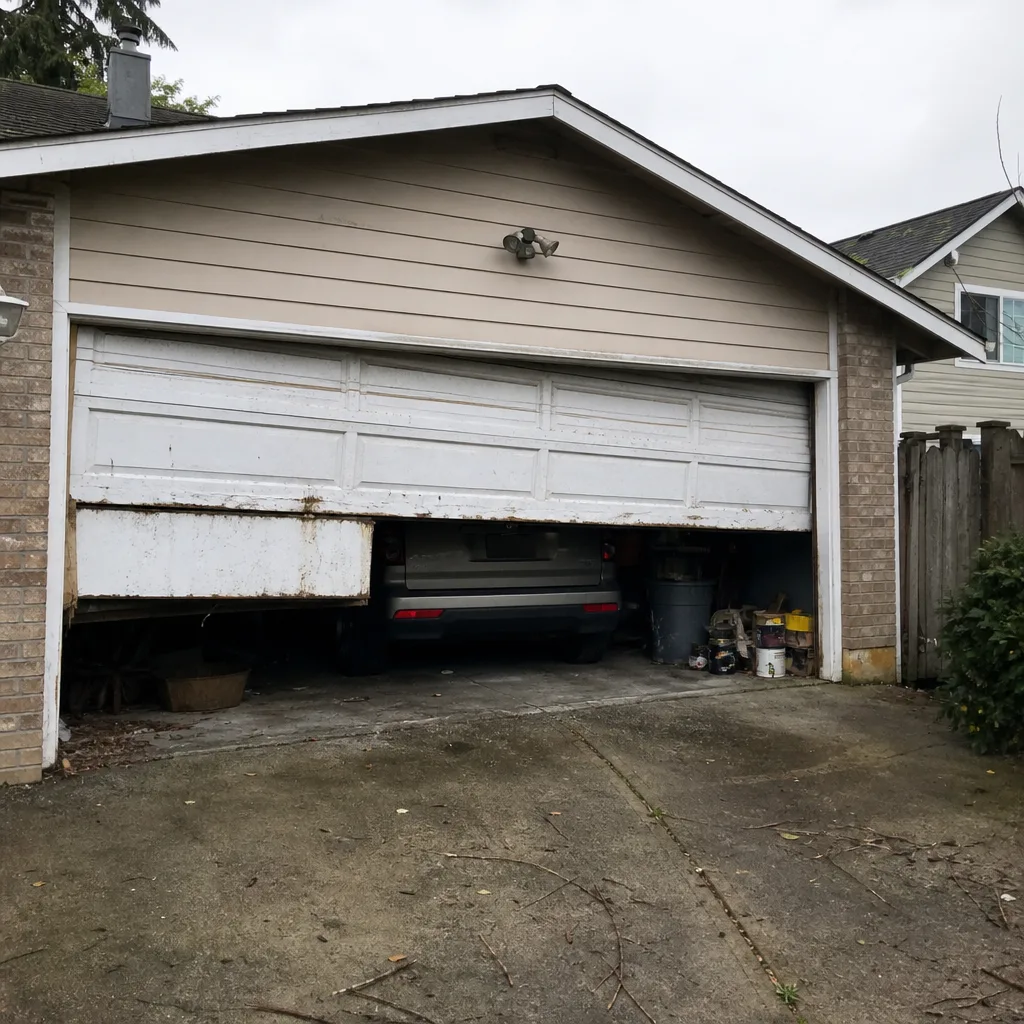 Before
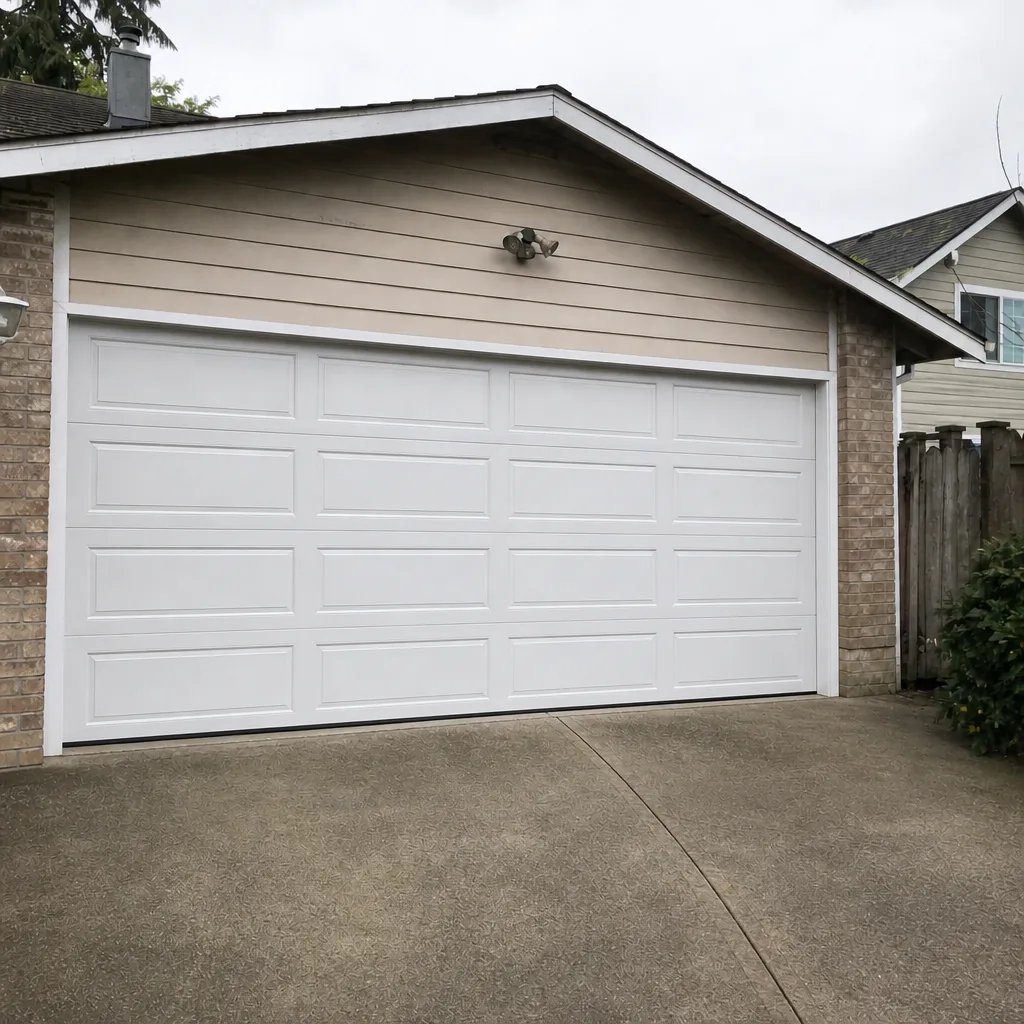 After
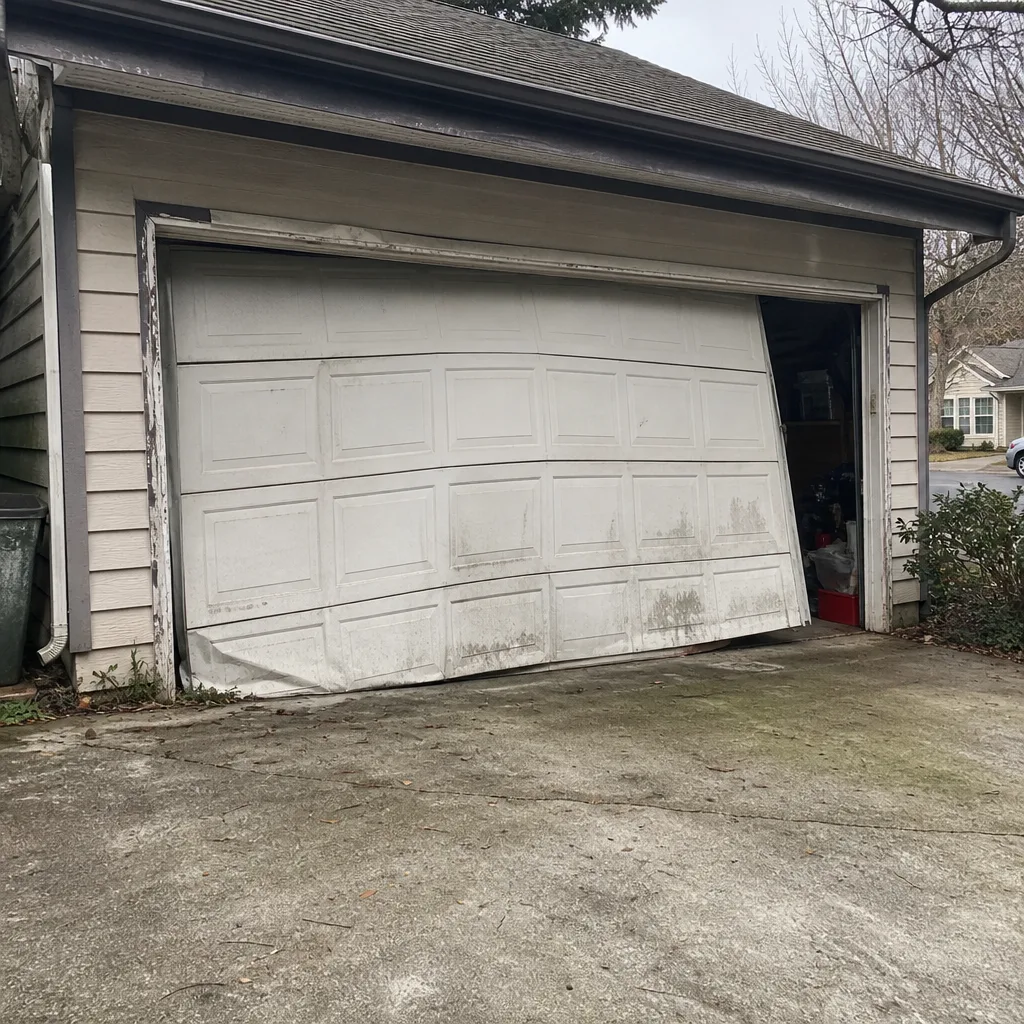 Before
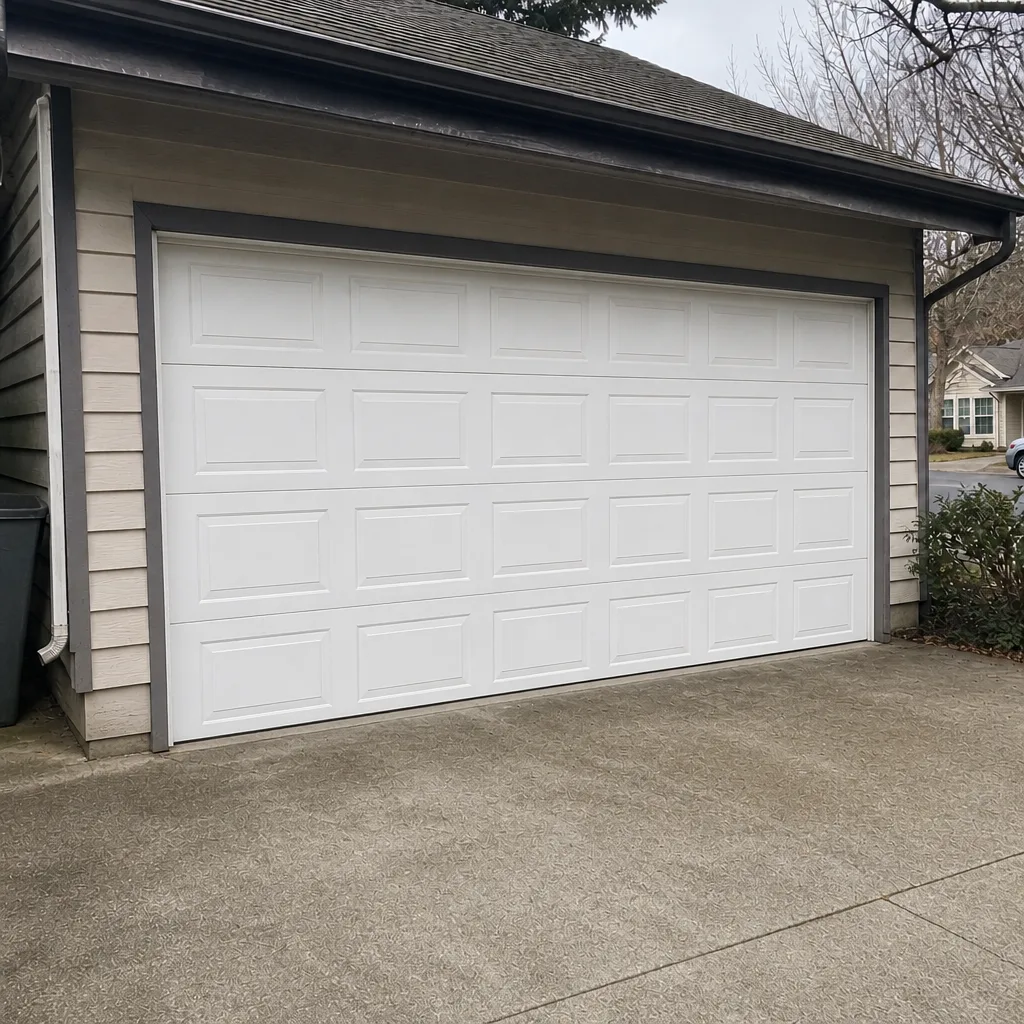 After
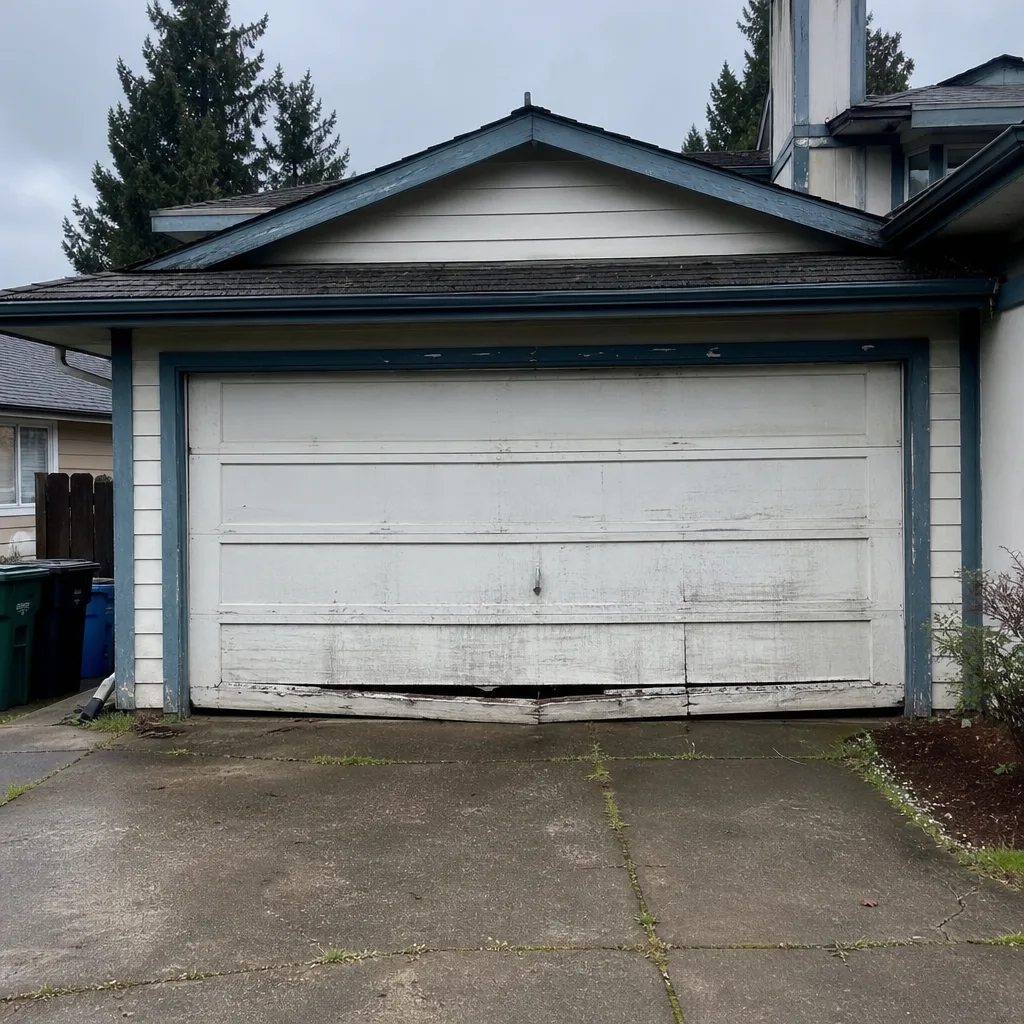 Before
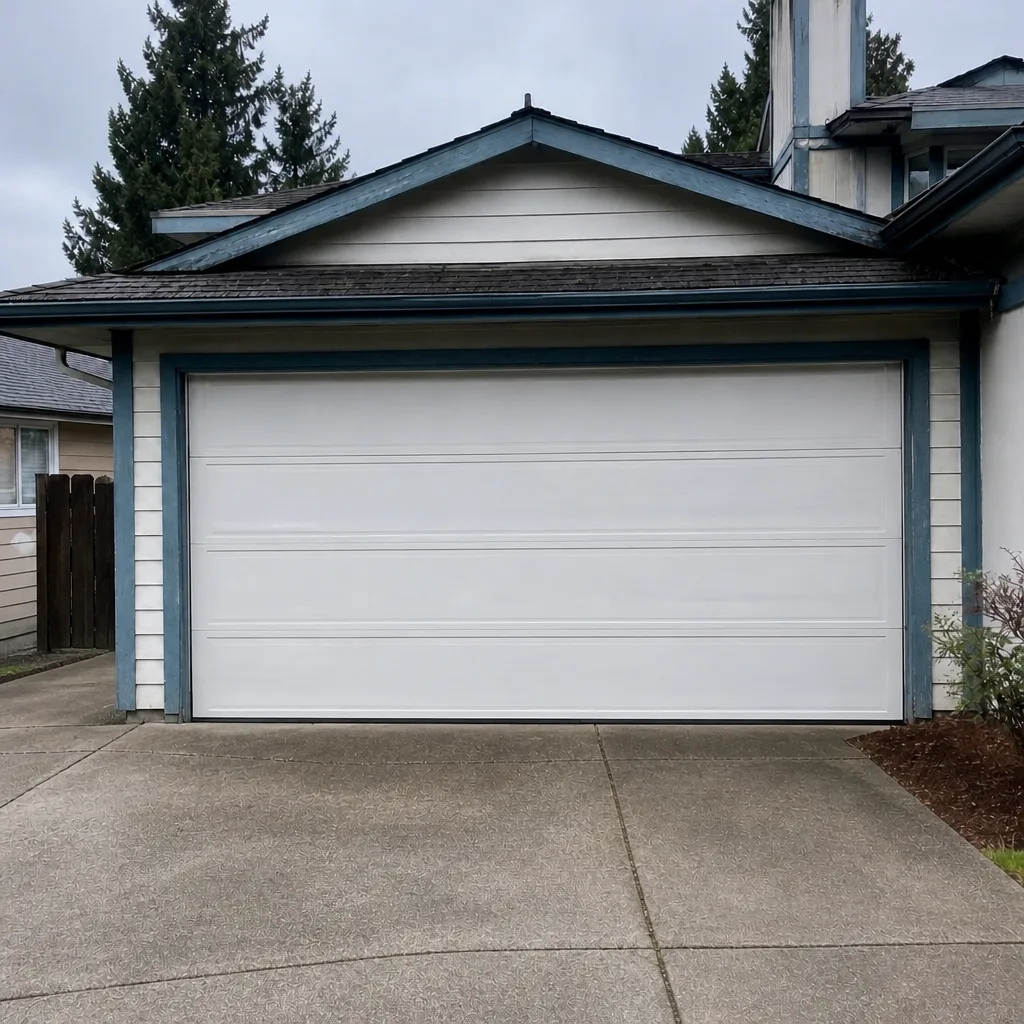 After
When to Call a Professional
Any project that changes the rough opening, replaces a header, or involves a new door opening in Federal Way is a call-a-professional job, both because the work is structural and because the permit needs to be pulled correctly. The same is true for anything involving springs, cables, or the high-tension parts of the door. A garage door opener that’s past its UL 325 compliance is another reason to call: an experienced technician can tell you in a few minutes whether it needs replacing or can be kept.
Garage Door Repair Federal Way Pros offers free estimates in Federal Way. We work on the brand you already have, whether that’s LiftMaster, Chamberlain, Genie, Raynor, or any of the major manufacturers, and our technicians have up to 13 years of experience. Call (877) 792-6864. We answer 24/7, with fast dispatch from 7am to 7pm, Sunday through Friday.
Frequently Asked Questions
Usually not, if the replacement is a like-for-like swap that matches the old door in opening size and structural impact. You do need a permit if the project changes the rough opening, replaces a header, alters the framing, or creates a new opening. Confirm with the City of Federal Way Building Division on your specific address. Call (877) 792-6864 for a free estimate if you’re not sure which category your project falls into.
Like-for-like means the new door matches the old door in opening dimensions, track layout, header configuration, and structural impact, even if the door style changes. The style and color can be different; the structure can’t. Documenting size match, track layout, and confirming no framing changes is the paper trail that establishes it.
Washington’s energy code (WAC 51-11C) can apply when the garage is a conditioned space or when the project is part of a larger remodel that triggers energy code review. In those cases, the door’s R-value has to meet the code minimum, and the inspector will want to see the manufacturer’s spec sheet. For an unconditioned garage with a like-for-like swap, energy code review usually doesn’t come up.
For any project that needs a permit, use a licensed contractor and let the contractor pull it. That puts the permit record in the contractor’s name, makes the contractor responsible for passing inspection, and gives you a clean paper trail at sale. A homeowner can pull the permit in Washington State, but the homeowner then owns the inspection and correction burden.
Yes, and it’s often the right time to replace the opener if it’s older or not UL 325 compliant. The inspection checks entrapment protection, force limits, and the opener’s overall compliance, so a current model from LiftMaster, Chamberlain, or Genie removes the risk. Call (877) 792-6864 for a free estimate on a door-and-opener package.
If it was a structural change and the permit was missed, a sale or a buyer’s inspection can flag it, and the seller may be required to get a retroactive permit or disclose the unpermitted work and accept a price reduction. The fix is to get the permit, have the work inspected, and keep the record on file. Call us to talk through how to make a permitted project work from the start.
The Bottom Line
Federal Way garage door projects come down to three categories: like-for-like replacements that usually need no permit, structural changes that always do, and new openings that need plans review. Washington’s energy code applies to the door when the garage is conditioned, and UL 325 compliance is part of the inspection when an opener is installed with a permitted project. Pull the permit through a licensed contractor, keep a clean paper trail, and the work stays easy at resale. Skip the permit on a structural change, and it surfaces at the worst possible time. Garage doors are all we do at Garage Door Repair Federal Way Pros, and we’re happy to answer permit questions before you order the door.
Call (877) 792-6864 for a free estimate and clear, upfront pricing before any work starts. We answer 24/7, with fast dispatch from 7am to 7pm, Sunday through Friday, and the written estimate sets the final price.
Written by the team at Garage Door Repair Federal Way Pros.