
Last updated November 20, 2026
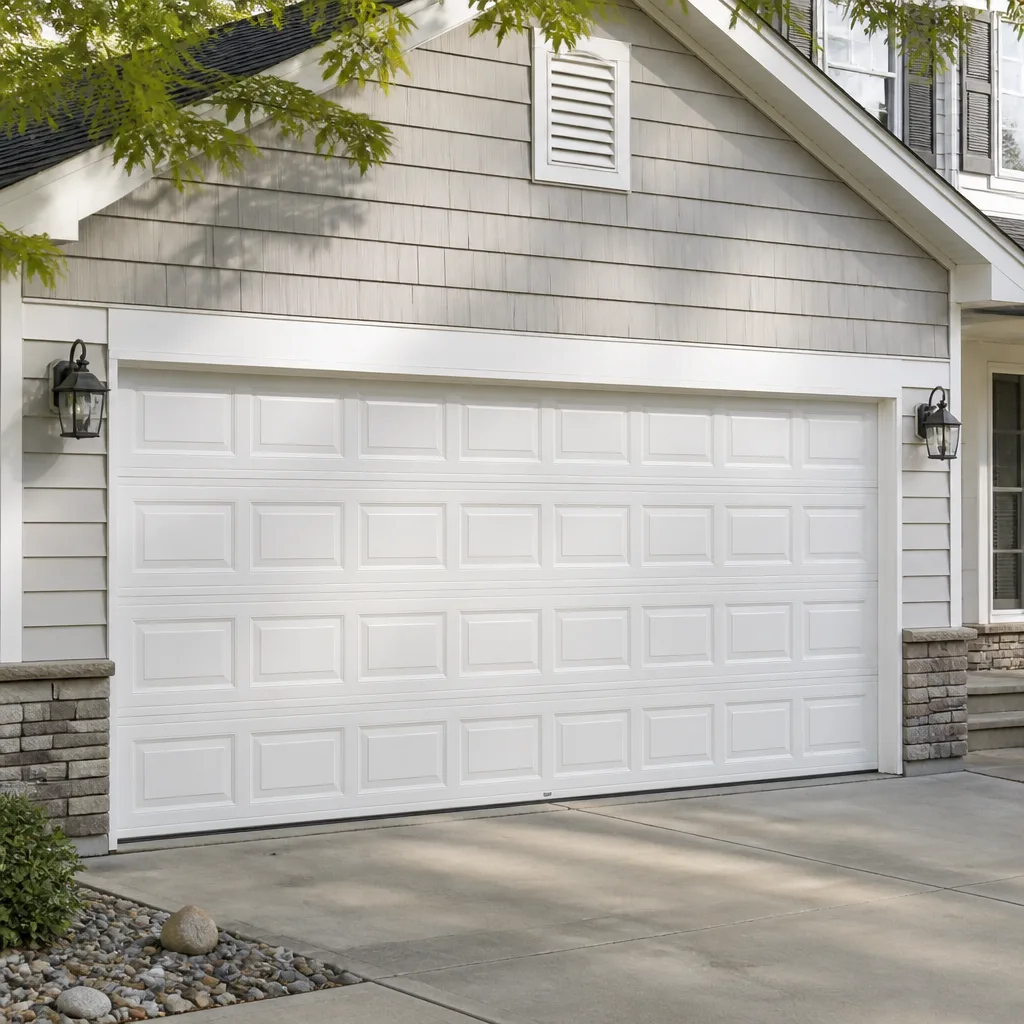 Raised-panel steel
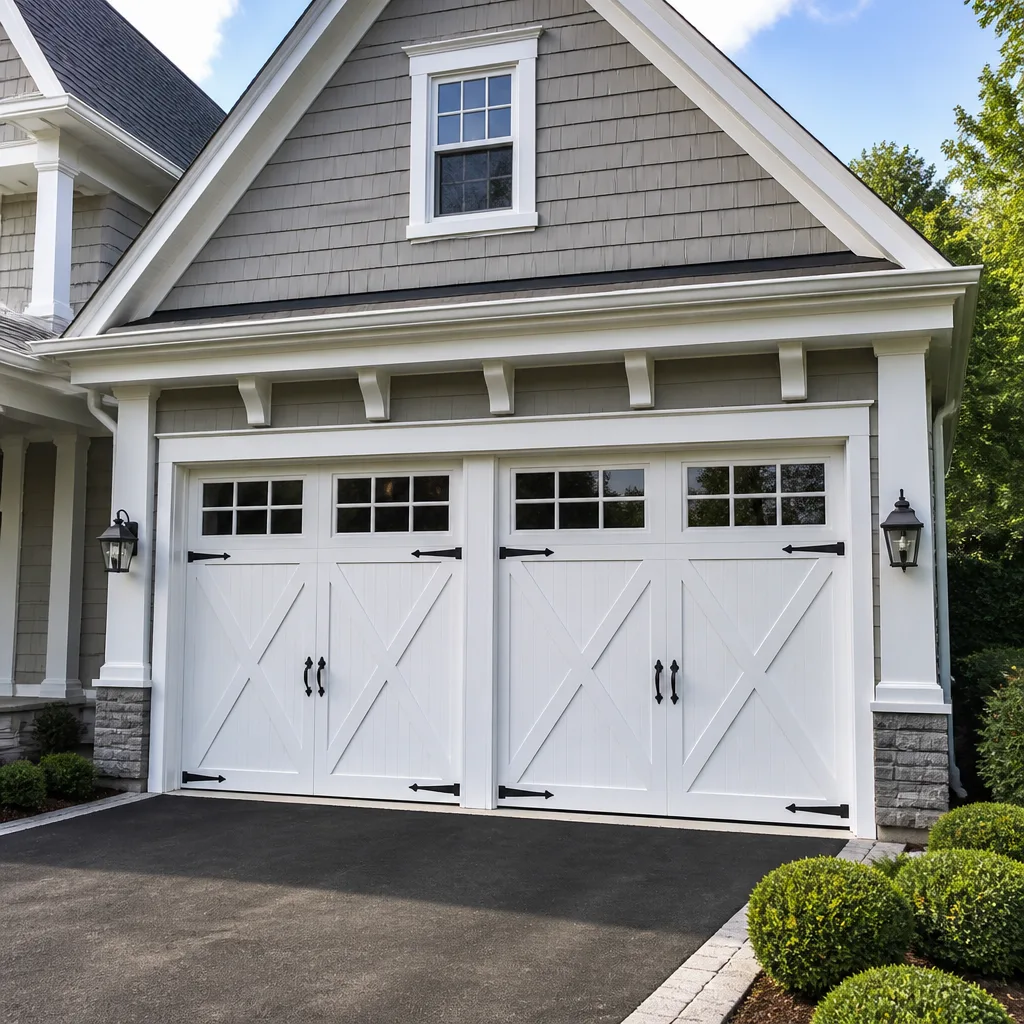 Carriage house
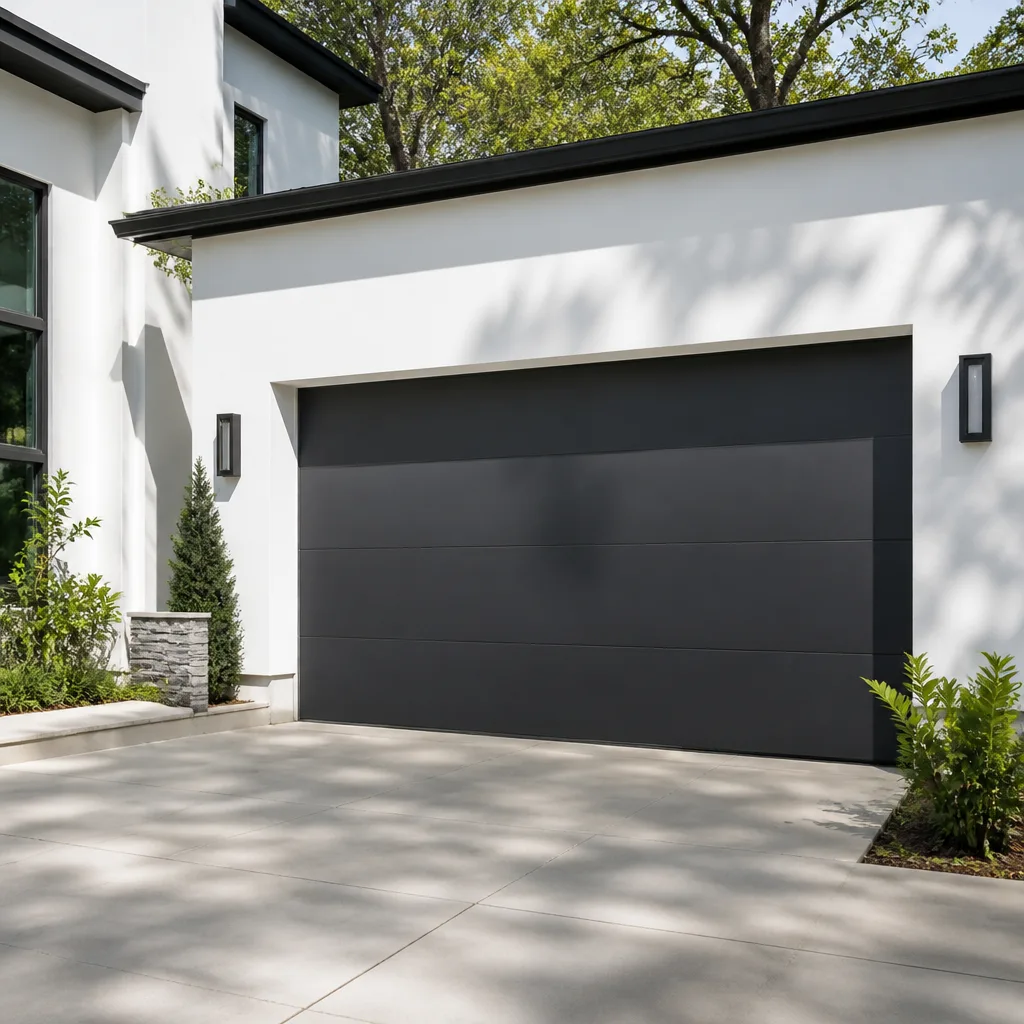 Modern flush
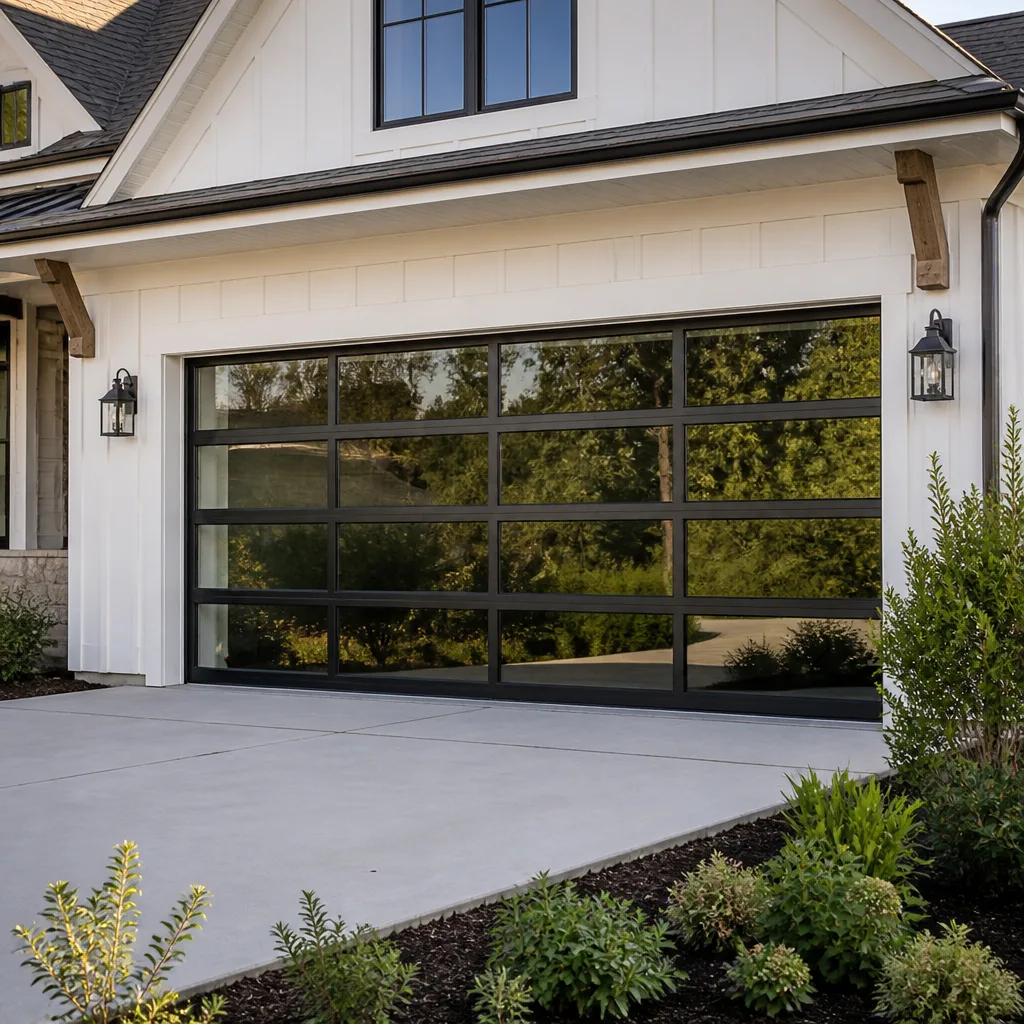 Full-view glass
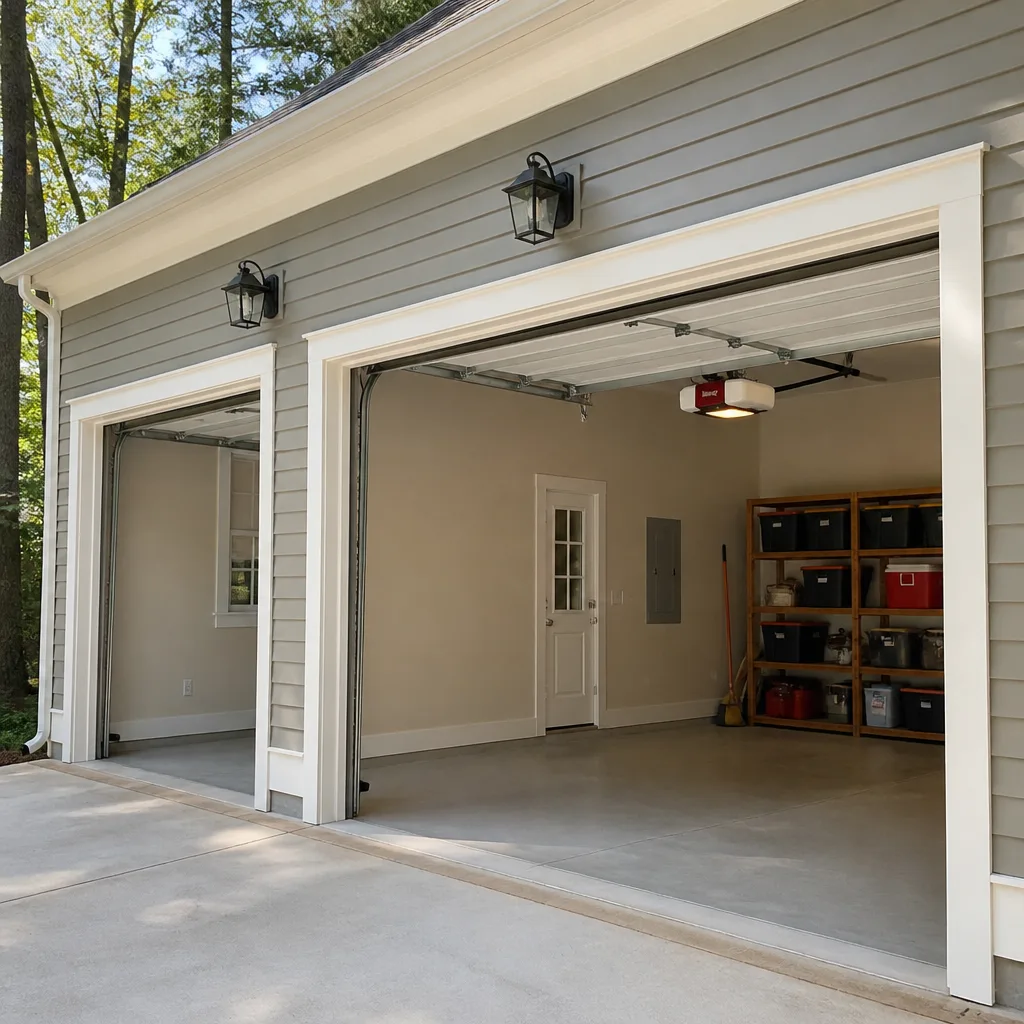 LiftMaster openers
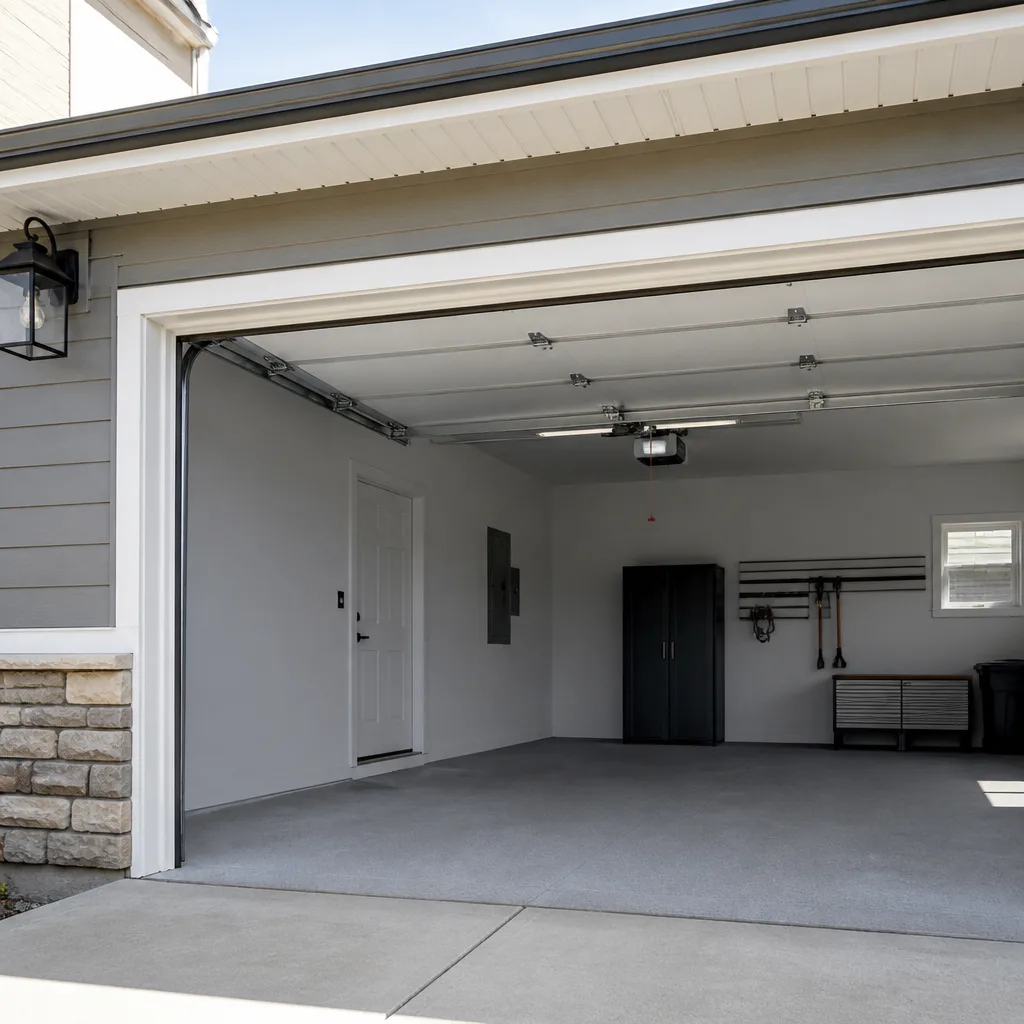 Chamberlain openers
Full 25-point door and opener safety check with every visit - springs, cables, rollers, tracks, and your LiftMaster or Chamberlain opener included
You get a price before we start. It does not change when the pro arrives.
Get your free estimateGarage Door Warning Signs: A Federal Way Homeowner’s Reference Guide
A grinding noise and a slow-moving door both get filed under “warning signs,” but they sit at opposite ends of the urgency scale. One usually means a dry hinge that needs lubrication within the week. The other can mean a lift cable is fraying under tension and about to let go with the door halfway up. Treating every odd sound the same way is how small, cheap fixes turn into a door that won’t open tomorrow morning. This reference guide decodes what your Federal Way garage door is actually telling you, pairs each visible or audible symptom with its most likely mechanical cause, and gives you a clear call on what’s safe to use, what to watch, and what to shut down right now.
Quick Answer
Garage door warning signs fall into three urgency tiers: stop using the door immediately (a visible gap in a torsion spring coil, a snapped cable, the door hanging crooked), schedule service within one to two weeks (rust streaks on cables, popping sounds, a door that reverses before closing), and handle with routine maintenance (squeaking hinges, cosmetic paint bubbling, slow-close adjustments). When a sign points to springs, cables, or the door’s balance, stop operating it and get a trained technician out. Everything else can usually wait for a scheduled appointment.
Styles & brands we work with
- Raised-panel steel
- Carriage house
- Modern flush
- Full-view glass
- LiftMaster openers
- Chamberlain openers
Table of Contents
- Three Sounds Decoded: Grinding, Popping, and Scraping
- Visual Warning Signs Ranked by Urgency
- Why Your Door Reverses Before Closing
- The Slow-Door Symptom Tree
- Federal Way Climate and the Signs It Creates
- Opener Warning Signs You Can Hear From the Kitchen
- A Monthly Walk-Around Checklist
- Common Mistakes to Avoid
Three Sounds Decoded: Grinding, Popping, and Scraping
Your ears pick up three categories of garage door noise, and each points to a different part of the system. Learning to separate them is the fastest way to know whether you’re looking at a maintenance item or a breakdown. Here’s how we sort them.
Grinding
Grinding is a friction sound, and it almost always comes from something metal dragging where it shouldn’t. The usual suspects, in order:
- Dry or worn rollers in the track, especially steel rollers that have lost their bearings. They grind instead of roll.
- Hinges and pivot points that have dried out and are metal-on-metal.
- A bent track section the rollers are scraping against rather than gliding through.
- The opener’s drive gear on a chain or belt system, particularly a worn gear at the motor head on older units.
Grinding is usually a “schedule it within a week or two” sign. It rarely fails catastrophically, but left alone it wears out rollers and track faster, which gets expensive.
Popping
A sharp pop, especially one that happens at the same point in the door’s travel every time, points to a torsion spring or cable issue more often than not. It can mean a spring is binding, or a cable is jumping a drum. Popping is in the caution tier: use the door sparingly, don’t stand under it, and get it inspected. If a pop is followed by the door becoming suddenly heavy or hard to lift by hand, stop using it. That’s a spring failure in progress.
Scraping
Scraping, a longer drag, usually comes from a roller that has come out of the track or a door panel that’s rubbing the frame. The opener drive on some Genie and Chamberlain systems will also scrape when the rail is misaligned. Scraping is often cosmetic but can indicate a door that’s come off its track, which is a genuine safety concern because the door has lost its guide. Shut it down and get it looked at.
Visual Warning Signs Ranked by Urgency
Sound is one channel. The other is what you can see when you stand in the driveway and look at the door and hardware. Not every visual sign is a red alert, so we rank them here by how quickly you should act.
Stop Using the Door Immediately
- A visible gap in a torsion spring coil. Torsion springs are the wound coils above the door center. If you see a gap, a split, or a section that looks like it separated, the spring has failed. The door loses its counterbalance and hangs on the opener and cables alone. Stop using it.
- A snapped or separated lift cable. Cables run along each side of the door. If one is loose, dangling, or clearly broken, the door is on one cable and can drop or twist. Do not raise or lower it.
- The door hanging crooked or off its track. One side higher than the other means a broken spring, cable, or roller. Operating it can pull it fully out of the track.
Schedule Service Within One to Two Weeks
- Rust streaks on cables. Rust is a slow degradation of the cable wire. It won’t fail today, but a rusty cable is on its way out and should be replaced before it becomes an emergency.
- Loose or bent hinges. A hinge that has pulled from the panel will eventually let a roller work loose.
- Popping or binding at one point of travel. See the sounds section above.
Cosmetic or Low Priority
- Paint bubbling on the bottom section. Usually moisture working through the paint film, not a structural issue. Clean and repaint.
- Faded finish on a Clopay or Amarr door. Purely appearance.
- Squeak on an ungreased hinge. A tube of hinge lubricant and ten minutes handles it.
Why Your Door Reverses Before Closing
An “almost closed” door that reverses and heads back up for no obvious reason is one of the most common calls we get. In our experience, it comes down to two systems: the safety sensors most of the time, and the opener logic board the rest. You can often tell which in about a minute.
- Look at the two safety sensors mounted near the floor on each side of the door. Most LiftMaster and Chamberlain openers have a small LED on each sensor. If one is dark, blinking, or a different color from the other, the sensor system is reporting an obstruction, and the door will reverse on the way down as a safety response.
- Check for obstruction. A cobweb, a leaf, a child’s toy, a leaf blown against the lens, or a sensor knocked out of alignment during a bump with a car will all trip the sensor. Wipe the lenses and re-aim them at each other.
- Check the sensor wires running from each sensor to the opener head. A wire that’s been chewed, nicked, or pulled loose during yard work is a common cause of an intermittent reverse.
- If sensors are clean, aligned, and lit, and the door still reverses, the likely cause is the logic board or the down-limit setting. The opener thinks it’s hitting an obstruction because the travel limit has drifted. Older Genie and Craftsman units drift out of limit as the drive wears. This is a technician-level adjustment.
The 60-second tell: if the reversing is consistent (every close, same point), the sensor is more likely. If it’s intermittent (works most days, reverses occasionally), the logic board or a loose sensor wire is more likely. Either way, don’t keep hitting the button and hoping. A door that reverses unexpectedly can crush or trap, and the safety system is telling you something.
The Slow-Door Symptom Tree
A door that used to open in ten seconds and now takes fifteen isn’t automatically a failing opener. Three different root causes produce nearly identical symptoms, and the fix for each is completely different. Walk this tree.
- Disconnect the opener (pull the red release cord). Lift the door by hand. If it’s very heavy and hard to raise, the problem is spring tension loss. Springs do the lifting; the opener only assists. A door that’s become heavy by hand is a spring problem, and you should stop using the opener until it’s fixed. Call for garage door spring repair.
- If the door lifts easily by hand, check for track friction. The door should move smoothly, without grabbing or binding at any point. If it binds, look for a bent track section or worn rollers. Friction is the problem, not the opener.
- If the door lifts easily by hand and rolls smoothly, the problem is in the opener itself. Force settings, worn drive gear, or an aging motor produce a slow door. That’s a garage door opener repair call.
We say this often: too many homeowners call for an opener problem when the actual failing component is a tired spring. The hand-lift test above settles it before the technician arrives, which means faster diagnosis and a fix that addresses the real cause rather than masking it. We work on LiftMaster, Chamberlain, Genie, Clopay, Amarr, Wayne Dalton, Craftsman, and Raynor equipment, which covers what most Federal Way homes actually have. Your opener model, our expertise.
Federal Way Climate and the Signs It Creates
Federal Way sits in the Puget Sound lowlands, which means mild, wet winters and cool, humid stretches through spring and fall. That climate doesn’t cause the dramatic freeze/thaw damage you see in mountain towns, but it creates its own pattern of garage door wear that homeowners here should specifically watch for.
Bottom Seal Shrinkage and Cold-Morning Reverse Trips
The rubber bottom seal is the strip along the bottom edge of the door that contacts the floor. In Federal Way’s cooler months, the rubber contracts slightly, and it can lift off the floor enough to trip the safety sensors or let drafts through. A door that reverses on cold mornings, then behaves fine by afternoon, is often this. Check the seal: if it’s cracked, shrunk, or leaving a gap you can slide a coin under, it’s due for replacement. Not a safety emergency, but it costs you on heating and confuses your opener.
Cable Rust Patterns From Sustained Humidity
Sustained humidity, not salt air, is the corrosion driver in Federal Way. It shows up as surface rust on lift cables and on the lower hinges. Rust streaks on a cable are a real warning. Rust streaks that appear only on hinges below the door’s mid-line are usually surface and clean up with a wire brush and a coat of lubricant. If you see rust on the cable itself, that’s a “schedule service within two weeks” sign.
Track and Roller Wear From Wet Debris
Rain pushes grit and leaf matter against the door’s bottom track and lower rollers. That debris accelerates roller wear and creates the grinding sound covered earlier. A monthly sweep-out of the track is the best defense.
Panel and Finish Wear
Federal Way’s wet winters are hard on painted steel and wood doors. Bubbling paint, especially at the bottom section, is usually moisture, and it’s the most common cosmetic warning sign we see here. Sand, prime, and repaint before the underlying steel starts to rust.
Opener Warning Signs You Can Hear From the Kitchen
The opener is the part of the system you interact with most, and it gives you plenty of warning before it fails outright if you know what to listen for.
- Clicking with no movement. The opener clicks but the door doesn’t move. Most often a failed capacitor or a stripped drive gear. On older Craftsman and Genie units this is common as the gear wears.
- Door moves a few inches then stops. Usually the travel limit has drifted or the force setting has been triggered by a binding door. Rule out the spring first, then the opener.
- Motor hums but nothing happens. A seized motor or a broken drive gear. Shut it off and get it looked at.
- Door opens fine but closes and reverses. Covered in the reversing section above – sensors first, then logic board.
- Remote only works from close range. Usually a weakening remote battery, or a receiver antenna issue on the opener head.
- Wall button works but remote doesn’t (or vice versa). Points to the remote, the receiver, or the wireless pairing.
Newer LiftMaster and Chamberlain smart openers also log faults in their apps. If yours can, check the app before you call. That history often points straight at the cause, which shortens the diagnosis.
One more note: compatibility. We work on LiftMaster, Chamberlain, Genie, Clopay, Amarr, Wayne Dalton, Craftsman, and Raynor. If your opener happens to be another brand, ask us before assuming we’ll know it. We’d rather tell you plainly than guess.
A Monthly Walk-Around Checklist
Ten minutes once a month catches most of these signs before they become repairs. Here’s what we recommend.
- Visual sweep of the springs. Look at the torsion spring above the door. Any gap, split, or damage means stop using the door.
- Visual sweep of the cables. Look along each side. No rust streaks, no frays, no dangling cable.
- Check the bottom seal for gap, cracks, shrinkage.
- Hand-lift test. Release the opener and lift the door by hand. It should rise smoothly with moderate effort.
- Listen for new sounds as the door operates. Grinding, popping, scraping – match each to the sounds section above.
- Test the safety sensors. With the door open, sweep a hand in front of the sensor – the door should reverse if you try to close it. If it doesn’t, the sensor system needs attention.
- Clean the track. A stiff brush and a shop vac clear grit and debris from the bottom track and lower rollers.
- Lubricate hinges and pivot points with a proper garage door lubricant, not WD-40, which attracts dust.
If any item fails, match it to the urgency tier in the visual signs section before you keep operating the door. And when it joins our garage door repair list, call us. Free estimates, and the price is quoted before any work starts.
Common Mistakes to Avoid
- Continuing to operate a door with a visible spring gap. This is the single most dangerous mistake. When a torsion spring fails, the door’s full weight rests on the opener and cables, and either can let go. Shut the door down and call for service.
- Attempting to wind or unwind a torsion spring yourself. The torque stored in a live spring releases suddenly and has seriously injured many homeowners. Spring repair is a trained-technician job for a reason.
- Ignoring a door that reverses intermittently. A reversal that happens “every now and then” is a safety system reporting a fault. It’s not a quirk. Address it.
- Calling for an opener problem without doing the hand-lift test. If the actual failing part is a spring, replacing the opener won’t fix the door and will cost you more.
- Using WD-40 as a garage door lubricant in Federal Way weather. WD-40 attracts dust and doesn’t last through a wet season. Use a proper door-specific lubricant.
- Assuming your rusty cable is cosmetic. Surface rust on a hinge is fine; rust on the cable itself is not. If you’re unsure, ask.
- Letting the bottom seal stay cracked through a wet Federal Way winter. A dry, cracked seal lets grit and moisture under the door, accelerating track wear and paint failure.
See the difference
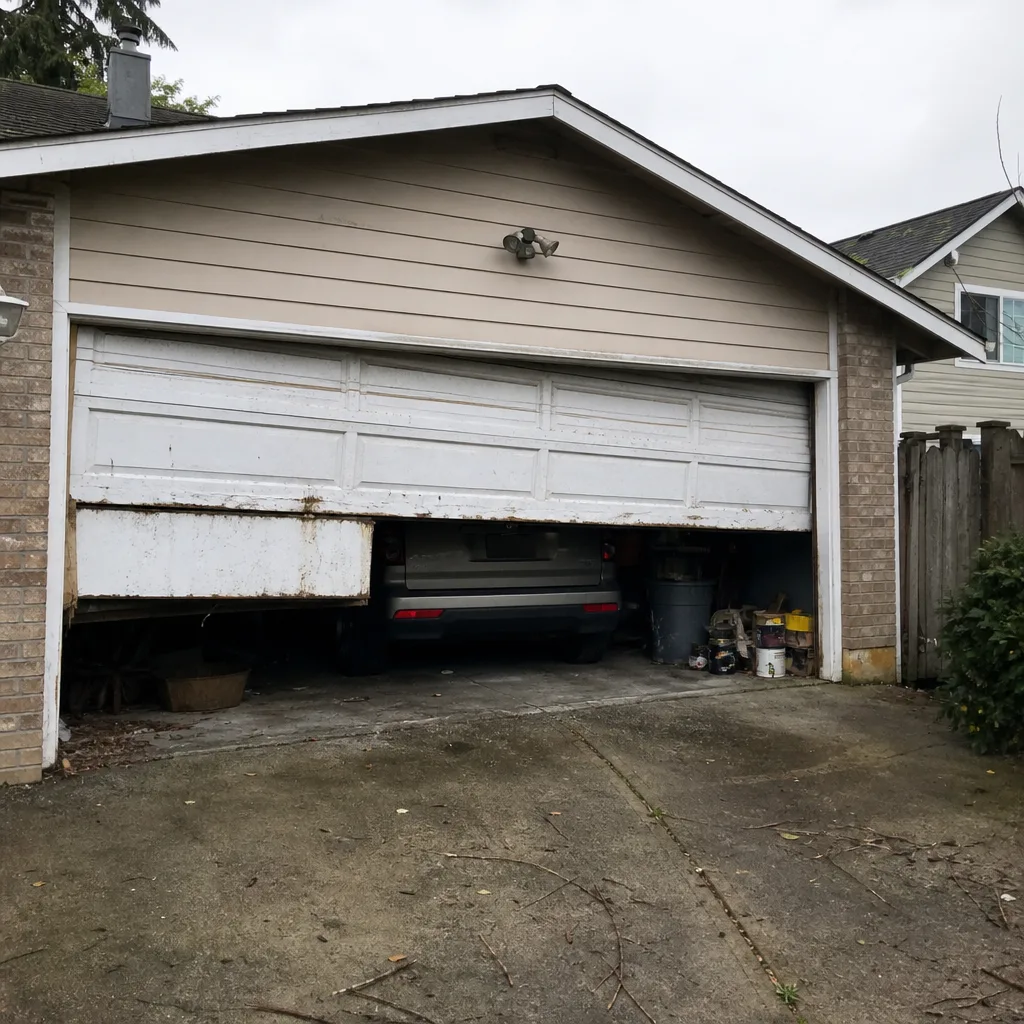 Before
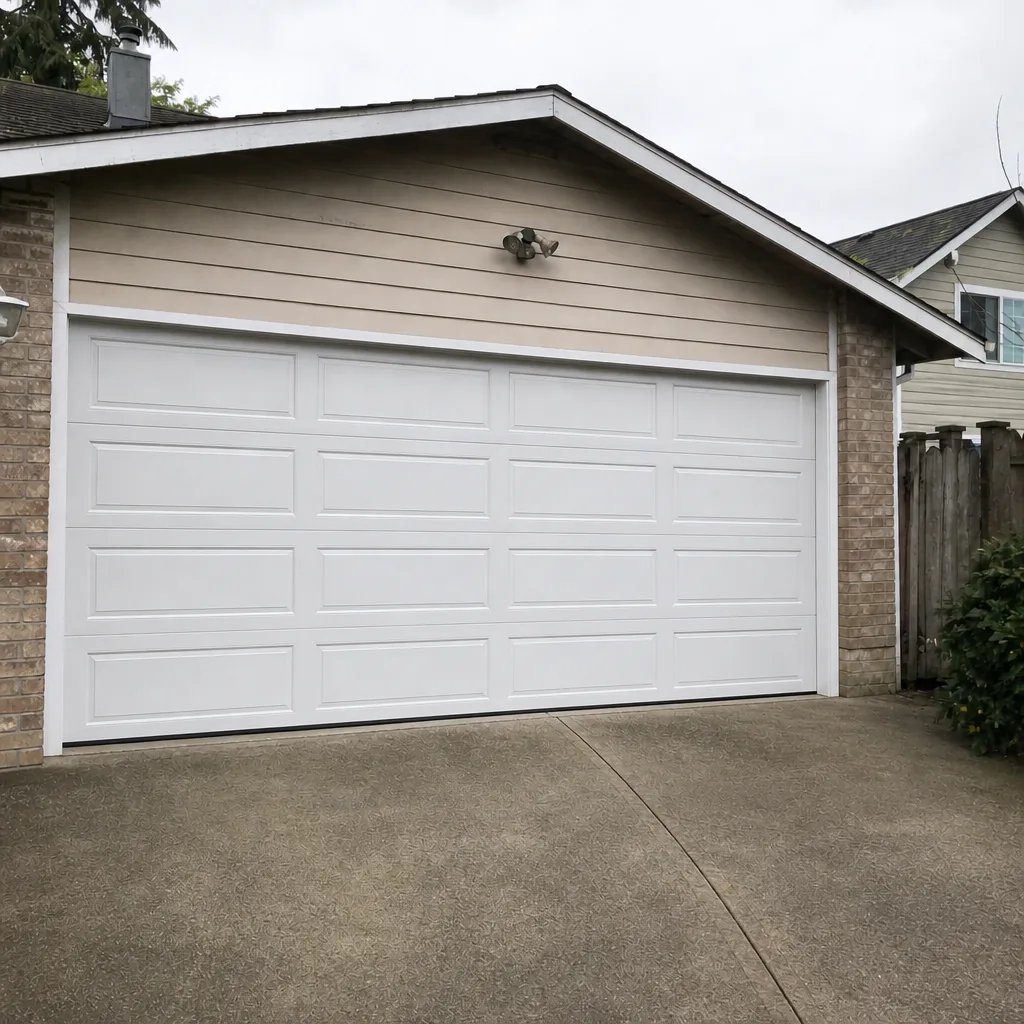 After
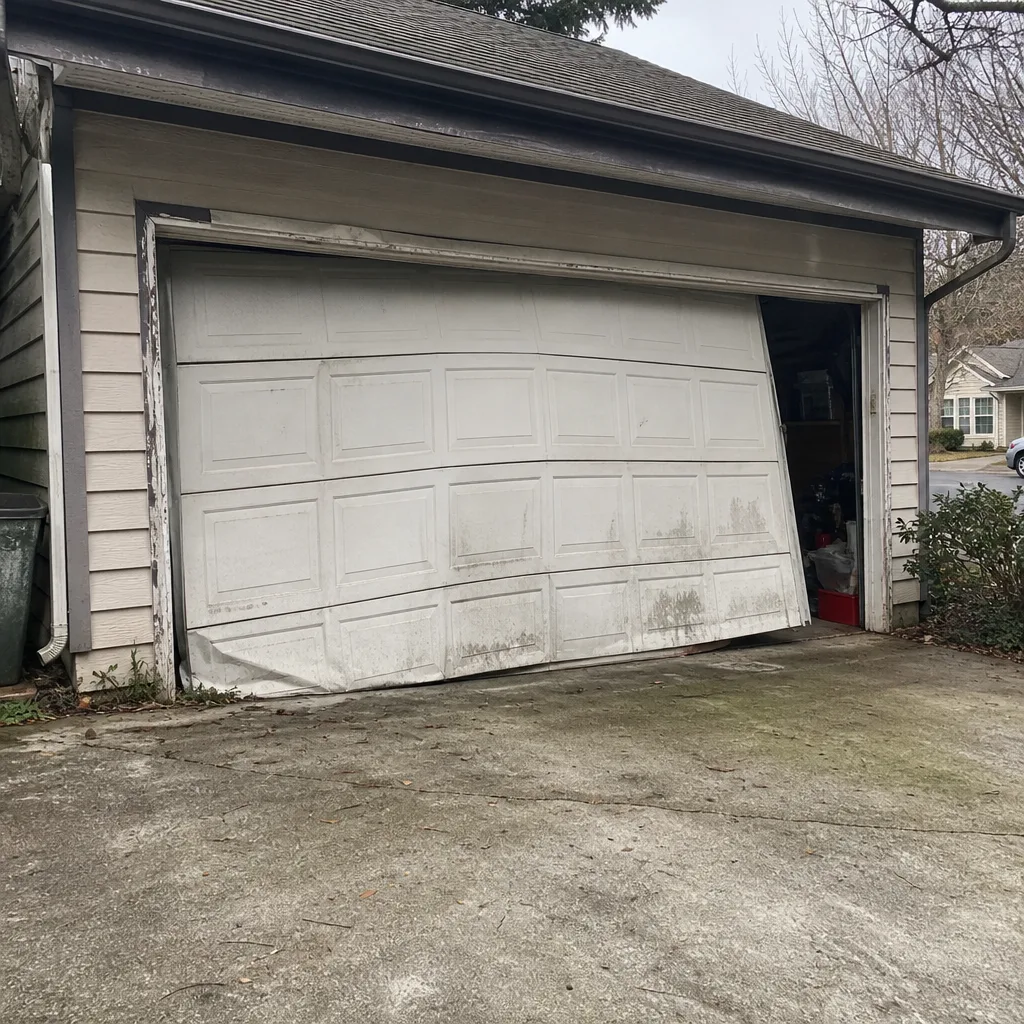 Before
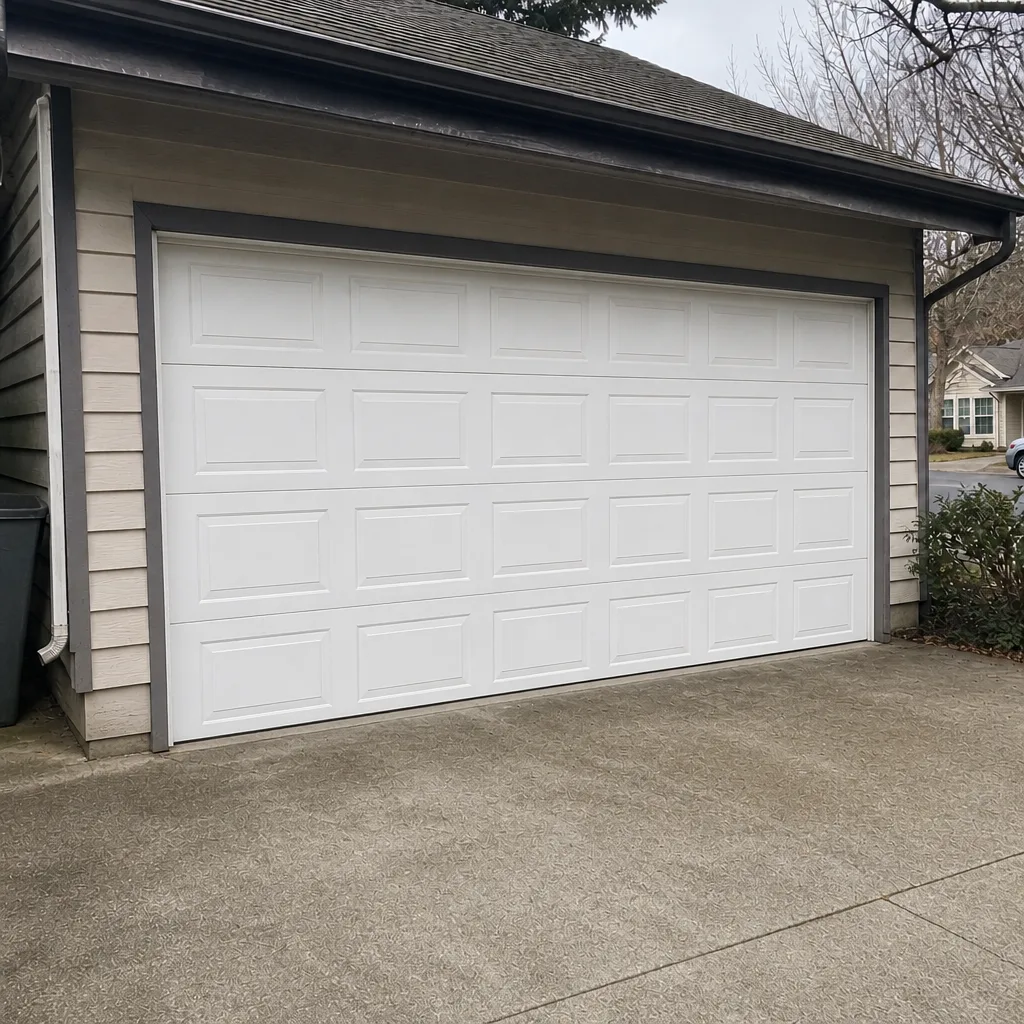 After
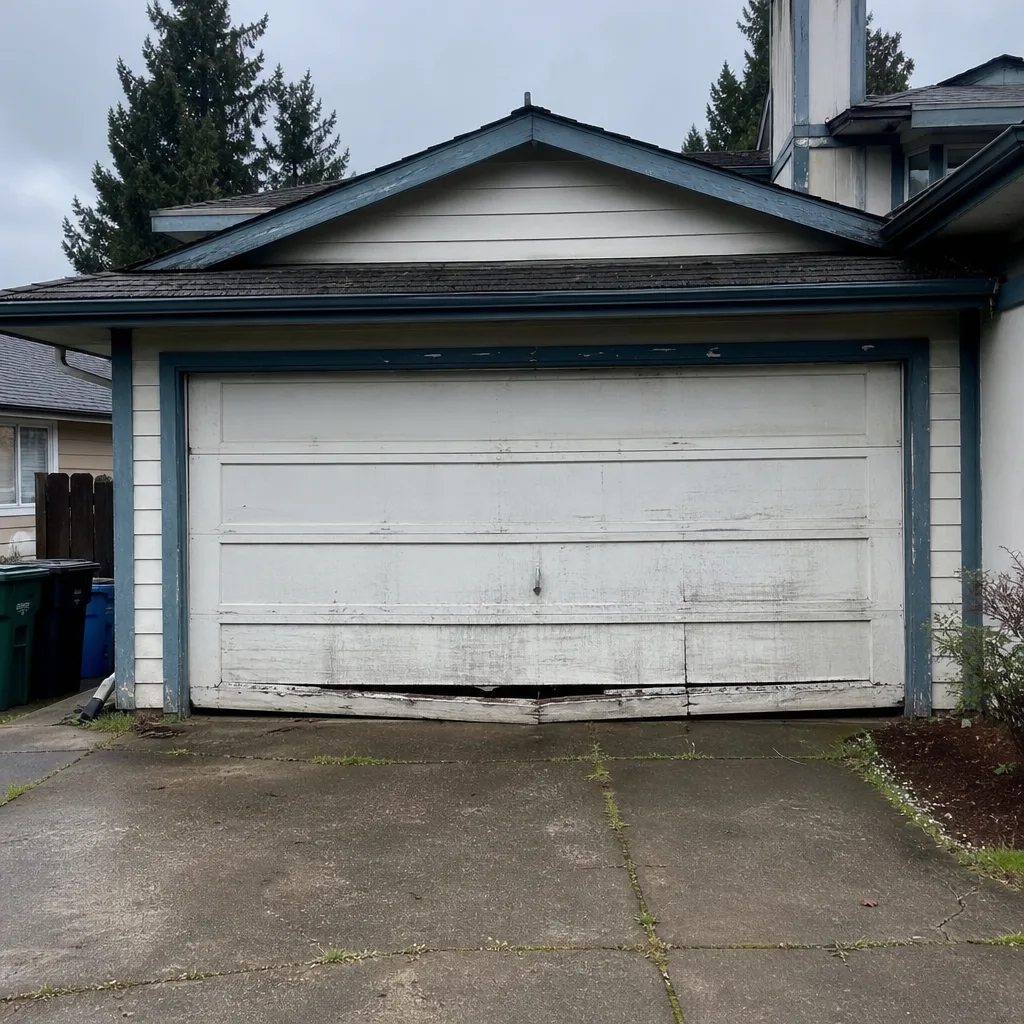 Before
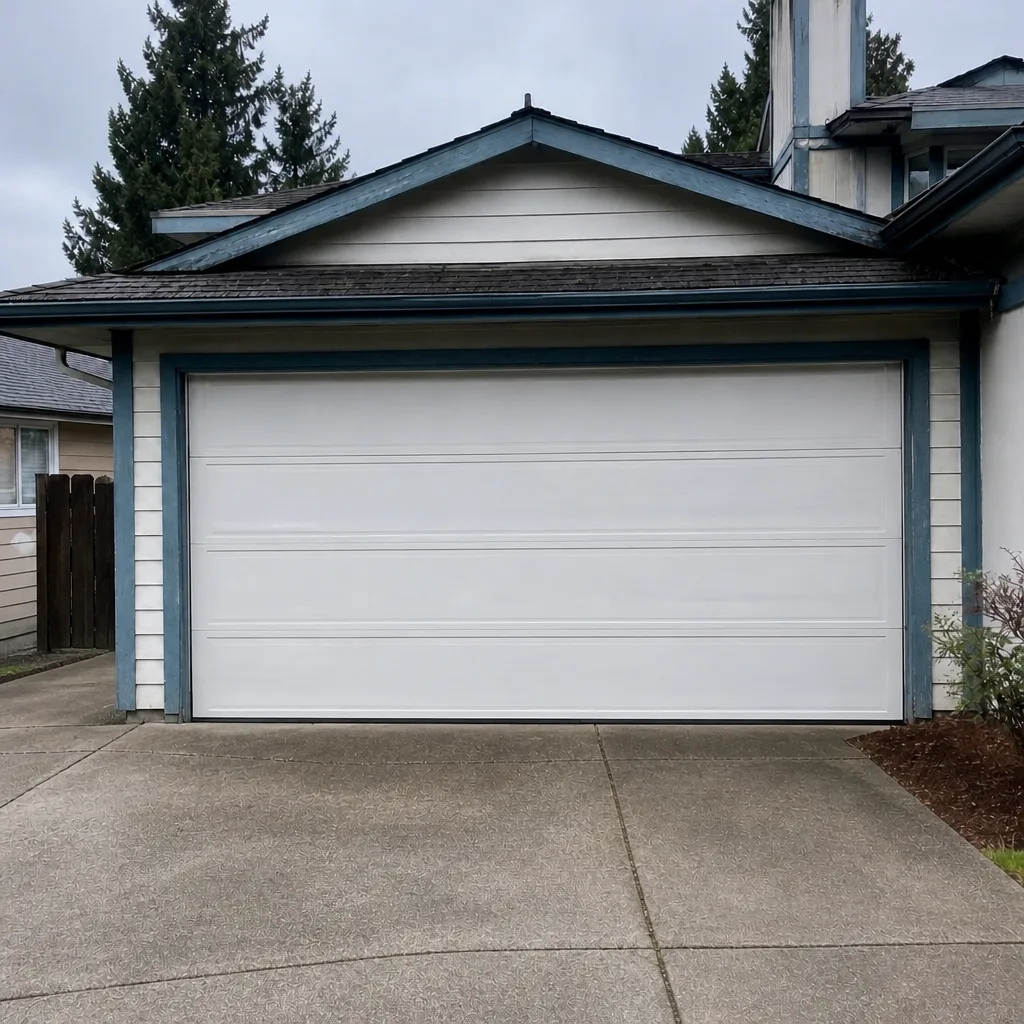 After
When to Call a Professional
If you see any of the three immediate red flags – a gap in a torsion spring coil, a snapped lift cable, or a door hanging crooked – stop operating the door and call. Those are the cases where a trained technician with the right tools for the spring or cable system is the only safe next step, and starting to poke at them yourself risks the door coming down or the spring letting go under tension. The next most urgent tier: popping at one point in travel, a door that reverses unexpectedly, or a slow door that fails the hand-lift test. Those are same-day or next-day problems in our view.
Everything else – a squeak, a rusty hinge, a bubbling paint spot on the bottom panel – is a scheduled visit, and there’s no reason to live with it.
Garage Door Repair Federal Way Pros offers free estimates in Federal Way. Call (877) 792-6864. We answer 24/7. Fast dispatch from 7am to 7pm, Sunday through Friday. We do Garage Door Repair Federal Way Pros work only – garage doors, openers, and springs – no other trades. When you call, the local pro who arrives is a garage door specialist, not a generalist.
Frequently Asked Questions
A visible gap in a torsion spring coil is the most urgent sign, and it means stop using the door immediately. The spring carries the door’s weight, and a failed spring puts all of that load on the opener and cables. A snapped cable or a crooked door is in the same tier – stop operating it and call us. Call (877) 792-6864 for an exact quote – estimates are free.
Pull the red release cord to disconnect the opener and lift the door by hand. If it’s very heavy, the problem is a spring losing tension and you should stop using the opener. If it lifts easily but binds, it’s track friction. If it lifts easily and smoothly, it’s the opener. We work on LiftMaster, Chamberlain, Genie, Clopay, Amarr, Wayne Dalton, Craftsman, and Raynor, so we’ll know your model. Call (877) 792-6864 for an exact quote – estimates are free.
The safety sensors are the most common cause, followed by the opener’s logic board. Check the LED on each sensor first – a dark or blinking LED points to the sensors or their wiring. If the sensors are clean, aligned, and lit and the door still reverses, the logic board or travel limits are the likely cause. Call (877) 792-6864 for an exact quote – estimates are free.
The most common climate-driven sign in Federal Way is a shrinking bottom seal that trips the safety sensors on cold mornings, then works fine by afternoon. Sustained humidity also produces surface rust on cables and lower hinges, and wet winters are hard on the bottom panel’s paint. If you’re seeing any of those, schedule a visit to get them looked at. Call (877) 792-6864 for an exact quote – estimates are free.
Rust on a lift cable is a real warning sign. It means the wire is degrading and the cable can fail under load, so schedule service within one to two weeks. Rust on a hinge is usually cosmetic and cleans up with a wire brush. If you’re not sure which you’re looking at, call. Call (877) 792-6864 for an exact quote – estimates are free.
No. Torsion spring repair carries the highest injury risk in garage door work because the spring stores significant energy. The right move is to shut the door down and call a trained technician. Our technicians have up to 13 years of experience and specialize in spring repair. Call (877) 792-6864 for an exact quote – estimates are free.
The Bottom Line
Every garage door warning sign falls into one of three tiers: stop using the door, schedule service soon, or handle it yourself as routine maintenance. The skill worth building as a Federal Way homeowner is telling them apart – a grinding sound usually means lubrication, a popping sound often means a spring, and a spring gap means shut the door down and call. The hand-lift test settles most “is it the spring or the opener?” questions before anyone arrives. When the repair is above your comfort level, get a specialist out. Garage doors are all we do, and we know the brands you own. Call (877) 792-6864 for a free estimate. We answer 24/7. Fast dispatch from 7am to 7pm, Sunday through Friday.
Written by the team at Garage Door Repair Federal Way Pros.