
Last updated November 20, 2026
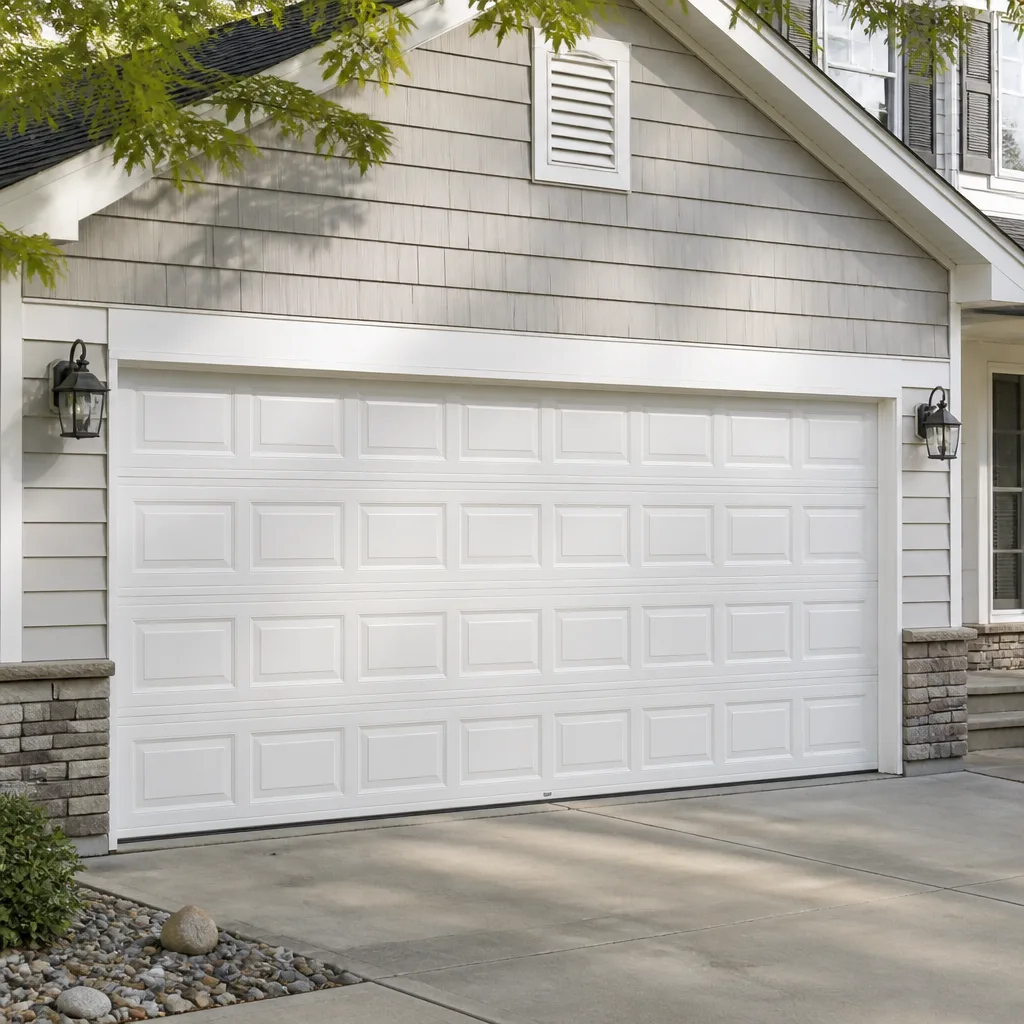 Raised-panel steel
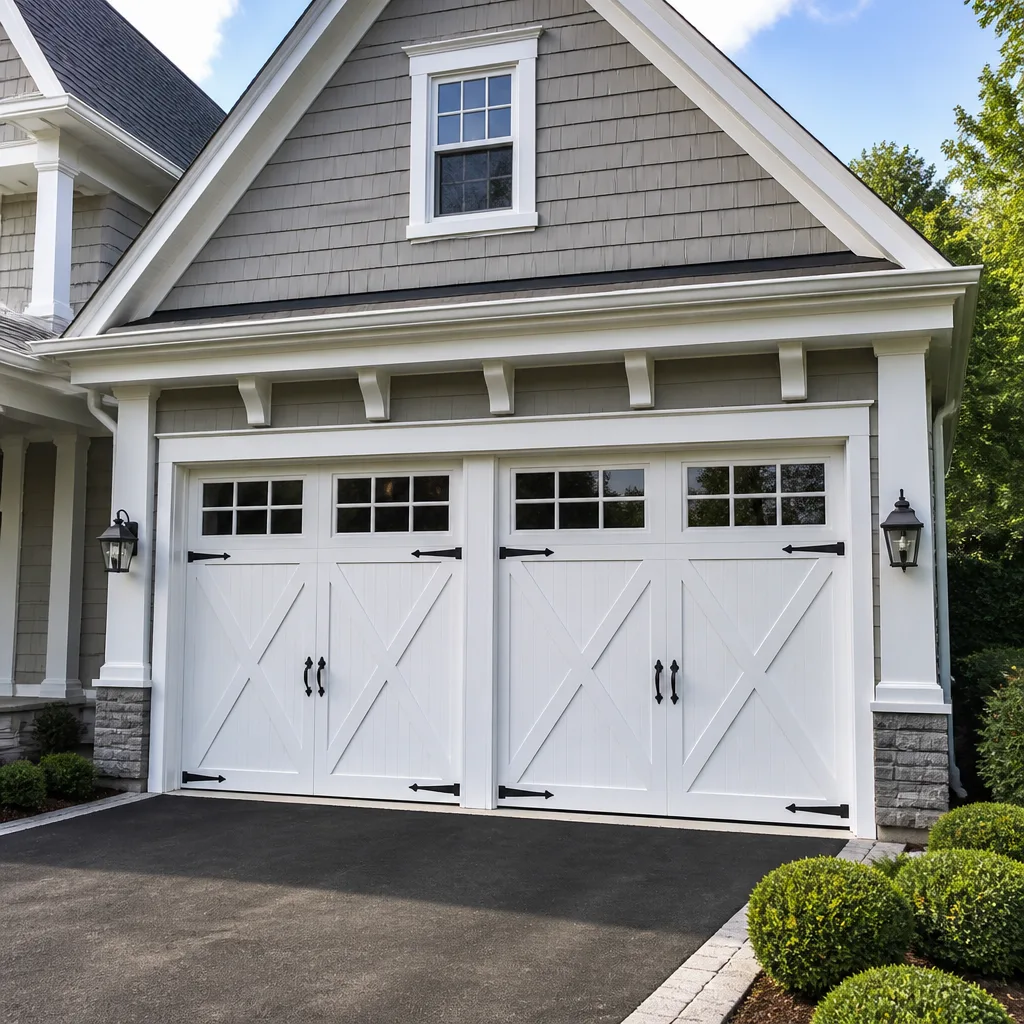 Carriage house
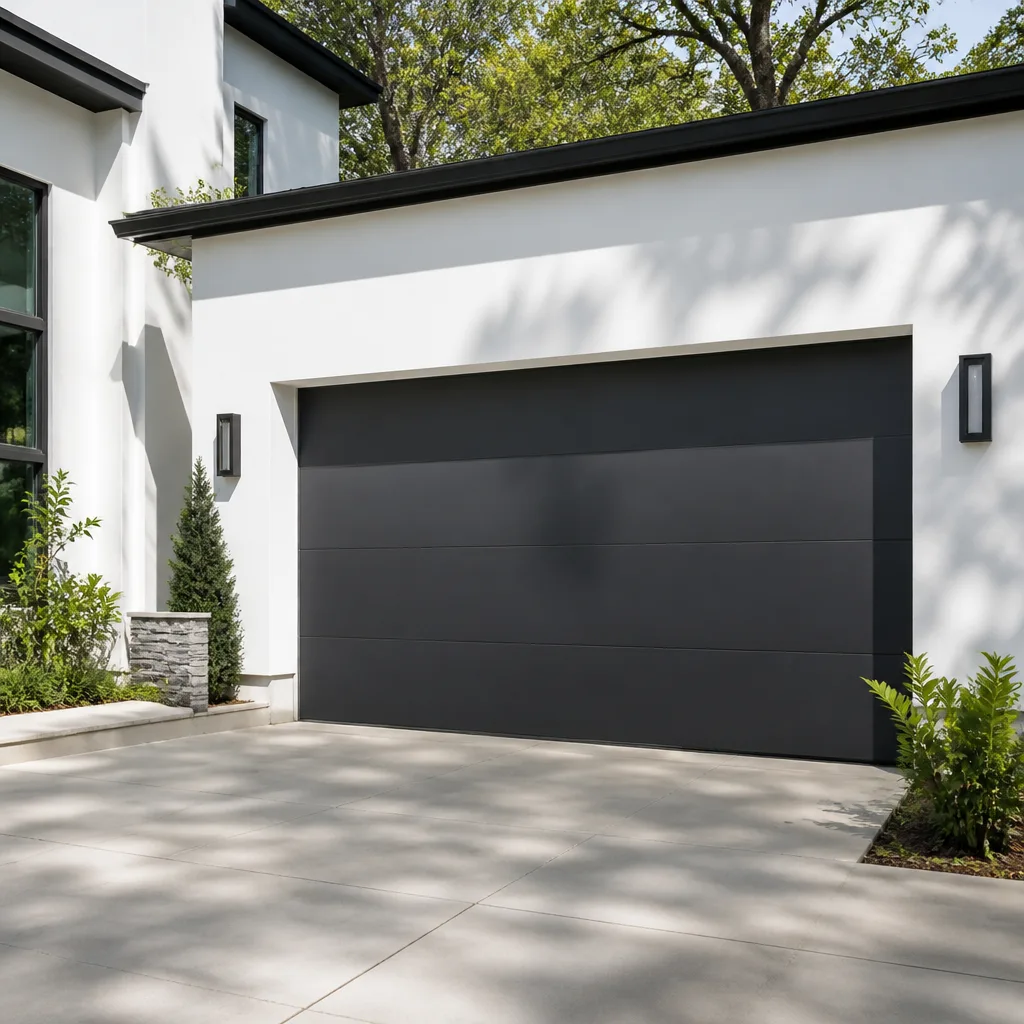 Modern flush
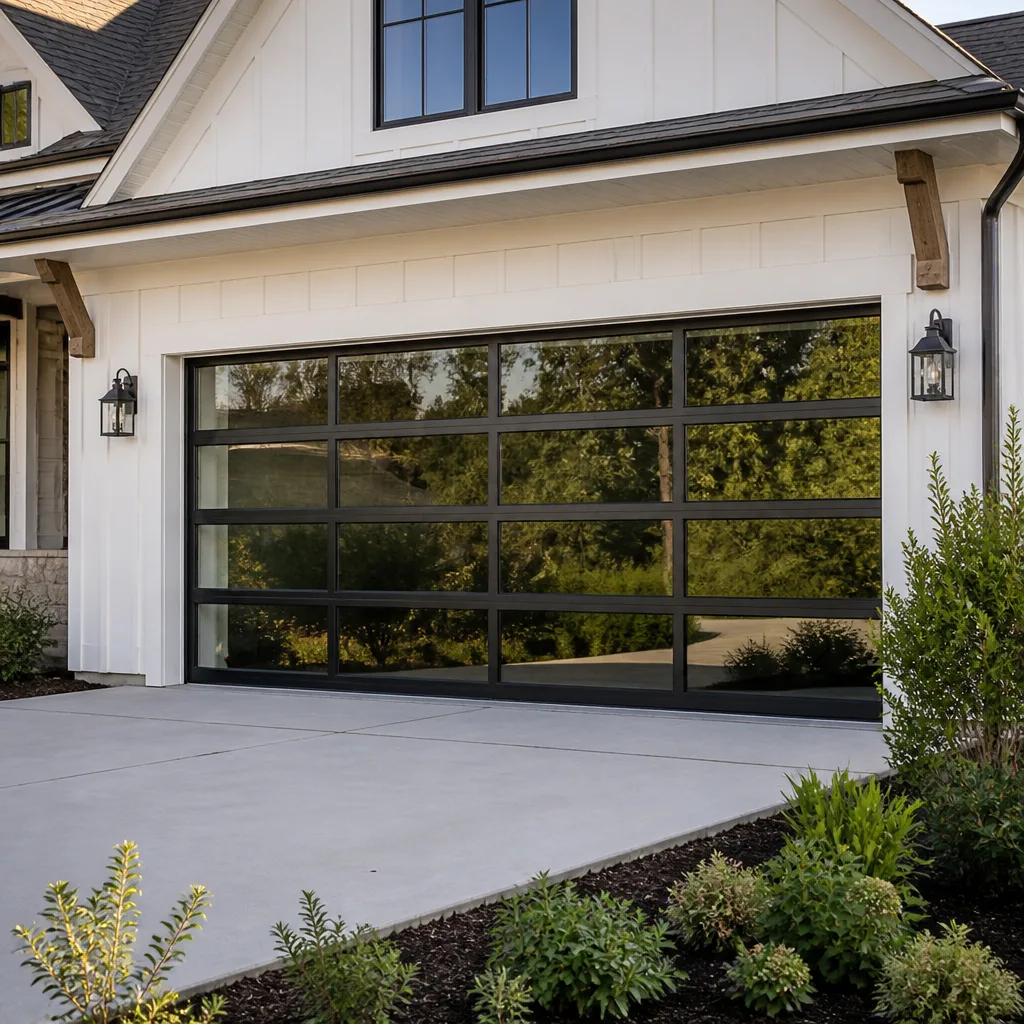 Full-view glass
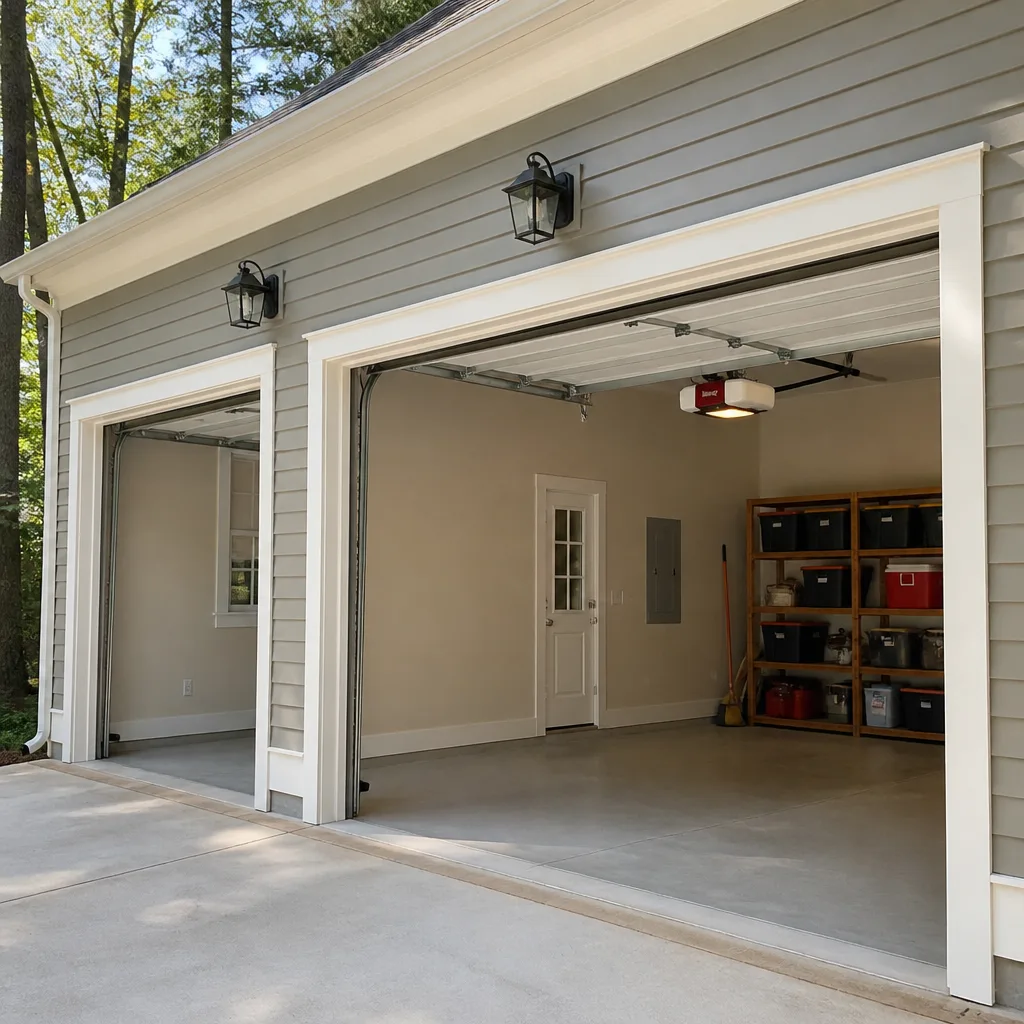 LiftMaster openers
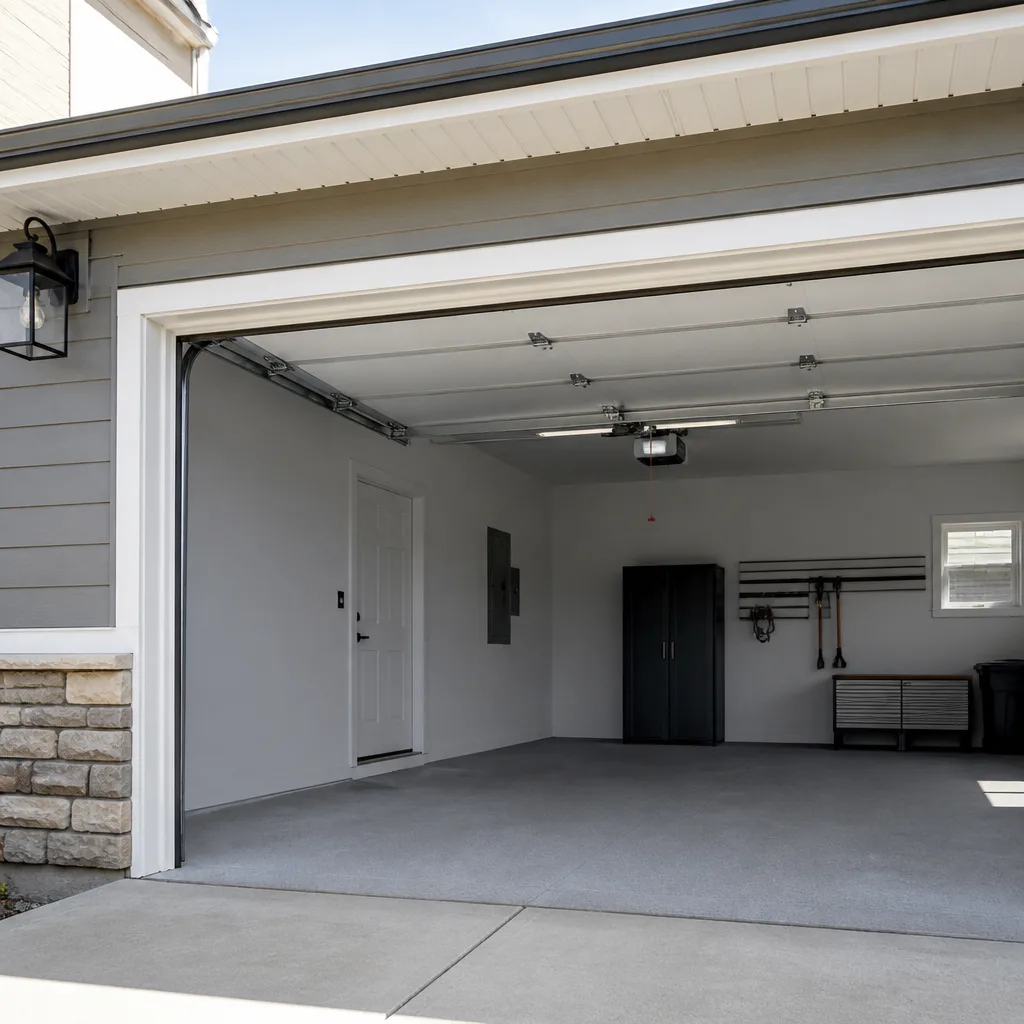 Chamberlain openers
Full 25-point door and opener safety check with every visit - springs, cables, rollers, tracks, and your LiftMaster or Chamberlain opener included
You get a price before we start. It does not change when the pro arrives.
Get your free estimateThe Complete Guide to Garage Doors in Federal Way
Most garage door guides are written for Phoenix or Atlanta climates. Federal Way gets 38+ inches of rain annually and frames houses that were built for a different generation of hardware. That mismatch matters. A residential door that survives a dry, hot climate can struggle through a wet Pacific Northwest winter, and a spring system that was barely adequate when a house went up in the 1990s is often undersized for the door it’s lifting today. This guide maps the major decisions – door material, opener selection, spring grade, insulation – to the conditions Federal Way homes actually face, so you can tell what’s worth upgrading and what’s a showroom sales pitch.
Quick Answer
Garage door problems in Federal Way usually come down to moisture, temperature swings, and undersized original hardware in homes from the 1985-2005 building boom. The best results come from choosing a steel or wood-composite door suited to sustained wet weather, upgrading to galvanized torsion springs, and matching your opener to the actual door weight and frame width. When a spring or opener fails, call a specialist rather than a generalist.
Styles & brands we work with
- Raised-panel steel
- Carriage house
- Modern flush
- Full-view glass
- LiftMaster openers
- Chamberlain openers
Table of Contents
- How Federal Way’s Climate Actually Affects Your Garage Door
- Which Door Materials Hold Up in Federal Way Moisture
- Why Springs Fail Faster Here (And What to Install Instead)
- The 1985-2005 Building Boom Problem: Undersized Spring Systems
- Choosing an Opener for Older Federal Way Garage Frames
- The Insulation R-Value That Actually Matters Here
- A Federal Way Maintenance Checklist
- Repair or Replace? A Decision Framework
How Federal Way’s Climate Actually Affects Your Garage Door
Federal Way sits in a wet, mild, and volatile pocket of the Pacific Northwest. Annual rainfall runs above 38 inches, most of it between October and April. Winter temperatures hover just above freezing for weeks, then swing sharply when a cold front drops in. Summers are dry and warm enough to bake a south-facing door.
Those conditions put specific stress on the parts of your garage door that most guides ignore:
- Constant damp on steel panels. Steel doors that aren’t finished on every edge can start showing surface rust along the bottom section within a few seasons. The bottom panel is closest to splash and runoff.
- Thermal cycling on the track and springs. A door that expands in a warm afternoon and contracts overnight works the torsion bar and the springs a little more every day.
- Wood swelling at the jambs. Wood-composite doors handle this well. Solid wood doors with poor paint maintenance don’t, and the frame around the opening swells too.
- Rollers and hinges drying then soaking. Steel rollers rust; nylon rollers wear unevenly when grit gets driven into the bearing by rain.
The practical takeaway is that in Federal Way, garage door durability is mostly a story about moisture control and spring grade. Everything else is secondary.
Which Door Materials Hold Up in Federal Way Moisture
Material choice is the single biggest decision you’ll make when replacing a door in Federal Way. A door that looks great in a dry showroom isn’t automatically the door that survives ten Pacific Northwest winters. Here’s how the common options stack up:
Steel (Best All-Round for This Climate)
Steel sectional doors, when the panels are factory-finished and the edges are sealed, are the workhorse choice for Federal Way. They don’t absorb moisture, they don’t warp, and the finish holds up if you keep splash away from the bottom section. Brands like Amarr and Clopay make steel lines that are widely installed here. The failure mode to watch is unchecked rust at the bottom edge – a cheap door that isn’t fully finished on the cut edges will start showing it earlier than a premium line.
Wood Composite (Excellent for Wet Weather)
Wood-composite doors are engineered to look like wood without the swelling problems of solid timber. They handle sustained humidity well and are a smart choice for Federal Way homes that want a warmer look without the maintenance of real wood. Paint or stain still needs refreshing periodically, but you’re not chasing warping.
Aluminum (Good, With Caveats)
Aluminum doesn’t rust, which is a real benefit here. But it dents more easily than steel and, if the finish is poor, it can oxidize into a chalky surface. It’s a solid option for a lighter door where impact damage isn’t a concern.
Solid Wood (Higher Maintenance Here)
A solid wood door in Federal Way demands real upkeep. With this much rain, seams and end grain need re-sealing on a tight schedule or the door will start to move. If you love the look and are willing to keep up with it, it works. If you’d rather not think about it again for a decade, choose composite or steel.
Why Springs Fail Faster Here (And What to Install Instead)
Garage door springs are the most commonly failed component of any garage door, and in Federal Way the failure comes faster than in dry climates. Constant humidity accelerates corrosion on standard oil-tempered springs, and corrosion is the main driver of spring fatigue. A spring that would give eight to ten years in Tucson might give six or seven here.
The upgrade that makes a measurable difference in this climate is a galvanized torsion spring. The zinc coating slows corrosion, which means the spring keeps its load capacity longer and fails less abruptly. On a Federal Way door, galvanized is worth the modest extra cost.
Why spring repair isn’t a DIY job
Torsion springs store a large amount of energy and are under tension the entire time they’re installed. A trained technician uses winding bars and specific procedures to release and re-tension them safely. Attempting it without that training can cause serious injury. If you suspect a spring has snapped – the door feels extremely heavy, or you hear a loud bang with no door movement – do not try to lift the door by hand. Call a professional.
Our technicians have up to 13 years of experience with garage door spring repair and handle springs on every common residential door type. Spring repair is one of the highest-risk jobs on any door, and it’s a service we take seriously rather than treat as a bolt-on.
The 1985-2005 Building Boom Problem: Undersized Spring Systems
A large share of Federal Way housing was built between 1985 and 2005, and a lot of those homes still have the original spring system. Two problems show up again and again in that cohort:
- The door was replaced, the springs weren’t upgraded. Homeowners swap a builder-grade steel door for a heavier insulated one at some point, then keep the same spring pair. The springs are now doing more work than they were sized for and fail prematurely.
- The springs were spec’d to the minimum for the original door. Builder-grade installs often used the lightest spring that would technically lift the door. Add twenty years of cycling and a heavier replacement door and the system is working past its design.
When a spring fails on a home in that age range, the right response isn’t always to replace “in kind.” A specialist should measure the door weight, verify the drum and cable setup, and confirm the spring pair matches the door’s current load. If the door has been upgraded, the springs should be too.
That evaluation is a big part of why we specialize. Garage doors are all we do, and a spring call isn’t a side job added to a handyman’s day – it’s the core of the work. If you’d like an honest read on your spring system, we handle garage door spring repair in Federal Way with a free written estimate before any work starts.
Choosing an Opener for Older Federal Way Garage Frames
Opener replacement in Federal Way runs into a specific issue that modern guides miss: older garage frames in this market aren’t always a standard width. Homes built from the late 1980s onward often have frames sized to the builder’s door choice, not to today’s common 16-foot or 8-foot spec. Adding a new opener or a smart Wi-Fi system means confirming the actual frame and door weight first.
A modern smart opener needs a few things to work reliably on an older Federal Way door:
- Correct door weight capacity. The opener’s lift rating has to match the door, not the door’s marketing spec.
- Solid anchor points. Older framing wood can be soft near the ceiling where the header attaches. A good install confirms the mounting is sound.
- Travel limits that suit the actual door height. A door that doesn’t fully seat to the floor, or overshoots, tells you the limits need setting – not that you need a new opener.
We work across the eight brands homeowners actually own in this market: LiftMaster, Chamberlain, Genie, Clopay, Amarr, Wayne Dalton, Craftsman, and Raynor. If your opener is an older Craftsman that’s been quietly doing its job for fifteen years, or a modern LiftMaster with app control, we’ve worked on the model family before. That’s the point of garage door opener repair done by a specialist rather than a generalist.
Signs you need opener service, not a new opener
- The door reverses on the way down – usually a safety sensor or limit adjustment.
- The motor runs but the door barely moves – often a stripped gear or a coupling on a legacy opener.
- The remote works intermittently – usually a battery, interference, or a worn logic board.
- You hear grinding at the rail – often a worn trolley.
The Insulation R-Value That Actually Matters Here
Insulation is the most oversold feature on garage door sales sheets. For an attached garage in Federal Way’s climate, the insulation’s main job is to reduce heat loss into the garage from the house, and to keep the garage warmer than the outdoor air in winter.
What we tell homeowners: below an R-value of about 9, the door is mostly a thermal shell with marketing on it. Once you cross into the R-9 to R-12 range, you start to notice the difference in how cold the garage feels in a wet Pacific Northwest winter, and in how much of the house’s heat finds its way out through the shared wall. Going above that band is fine but the gains get smaller and smaller.
For an attached garage in Federal Way, an R-9 to R-12 insulated steel or composite door gives you real thermal benefit. For a detached garage you use as a workshop, the same range applies. A basic uninsulated steel door is a poor choice in this climate if you spend any time in the garage.
A Federal Way Maintenance Checklist
Maintenance in Federal Way should focus on keeping moisture and grit away from the parts that fail. Every few months, work through this list:
- Inspect the bottom section for rust. Any bubbling paint or rust at the bottom edge is your cue to sand and re-seal before it spreads.
- Look at the spring and torsion bar. Surface rust is normal; heavy flaking is a sign the spring is weakening.
- Check the weather seal at the floor. A torn seal lets in water and wind, and drives up how often your opener cycles.
- Wipe the tracks clean and check alignment. If the door sways or hangs, don’t force it – call for a look.
- Lubricate the hinges, rollers, and torsion springs with a garage-door-rated lubricant, not WD-40.
- Test the safety reverse. Place a small object in the door’s path and confirm the door reverses on contact.
If a step turns up something beyond surface wear, stop and get a garage door repair estimate before whatever is loose turns into whatever is broken.
Repair or Replace? A Decision Framework
Deciding whether to repair or replace a door in Federal Way comes down to four questions:
- How much of the door is failing? A single panel, one spring, or a worn opener is repair territory. Multiple failing panels plus a damaged track plus a failing opener usually tips toward replacement.
- Is the frame and spring system already undersized? If the door is a 1990s install still on original springs and the panels are showing rust at the bottom, replacement with a properly sized system is often smarter money.
- What’s the door made of? Steel in good shape can last many more years with maintenance. Solid wood with persistent moisture issues is a harder case.
- How much energy are you losing? If your garage is cold enough that it drags the adjacent room down, going to an insulated R-9 to R-12 door solves two problems at once.
For the repairs that come up along the way, we handle garage door repair and quote the price in writing before we start. You’ll know the number before we pick up a tool.
Common Mistakes to Avoid
- Replacing a spring with the same light spring that was there. If the door has been upgraded to a heavier insulated panel, the original spring was never sized for it. Have the door weight measured before the spring is chosen.
- Choosing a door based on a showroom. Doors shown indoors don’t tell you how a finish handles six months of rain and splash. Ask how the bottom edge and cut seams are sealed.
- Skipping the galvanized spring to save a few dollars. In Federal Way, standard oil-tempered springs suffer from corrosion-driven fatigue faster than galvanized ones. The savings are short-lived.
- Buying an opener without confirming the frame. Older Federal Way frames aren’t always the modern standard width. Measure the frame and confirm the door weight before you pick a model.
- Lubricating with the wrong product. WD-40 isn’t a garage door lubricant. It attracts dirt and makes rollers and springs worse. Use a door-rated product.
- Ignoring the weather seal. A torn bottom seal lets water in, warps the bottom section, and adds cycles to the opener. It’s a cheap fix that pays off here.
- Calling a generalist for a spring job. A spring repair done incorrectly is one of the more dangerous mistakes you can make on a garage door. Use a specialist who works on springs every week.
See the difference
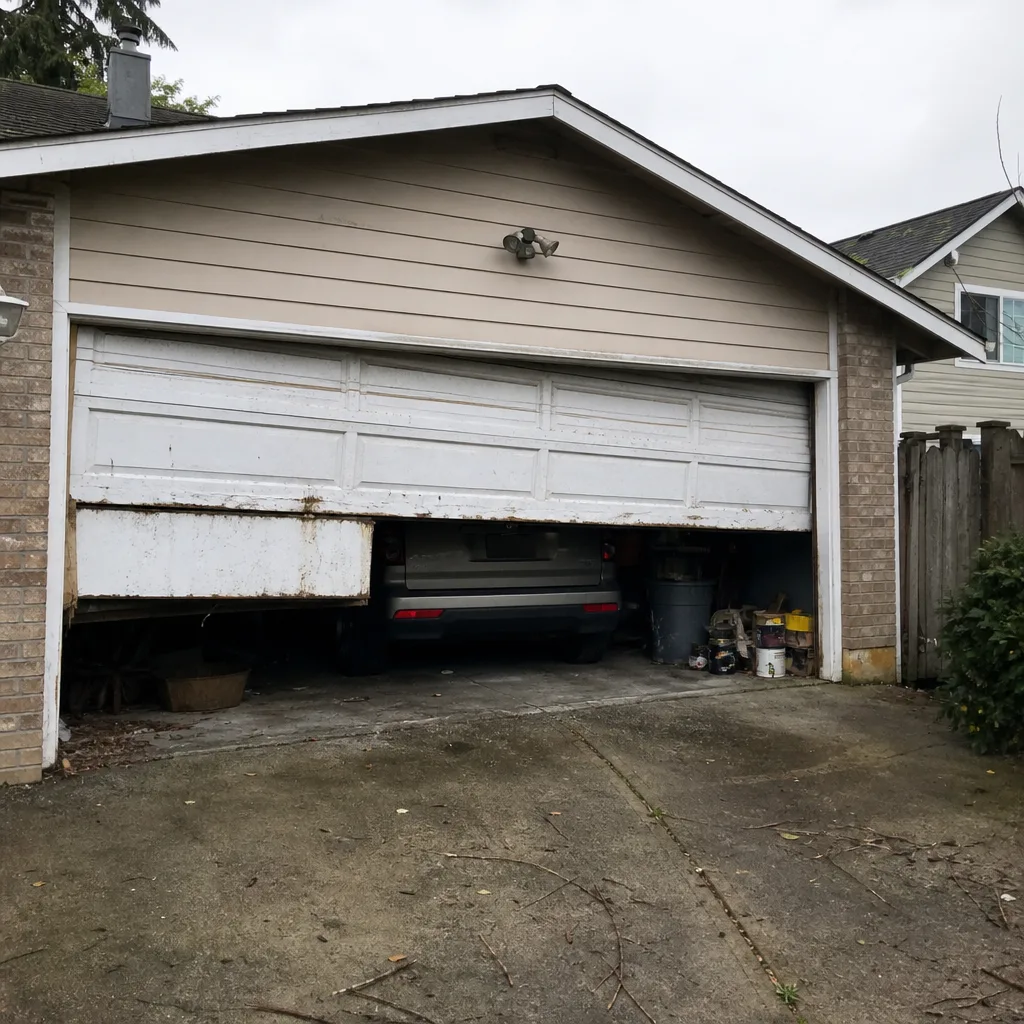 Before
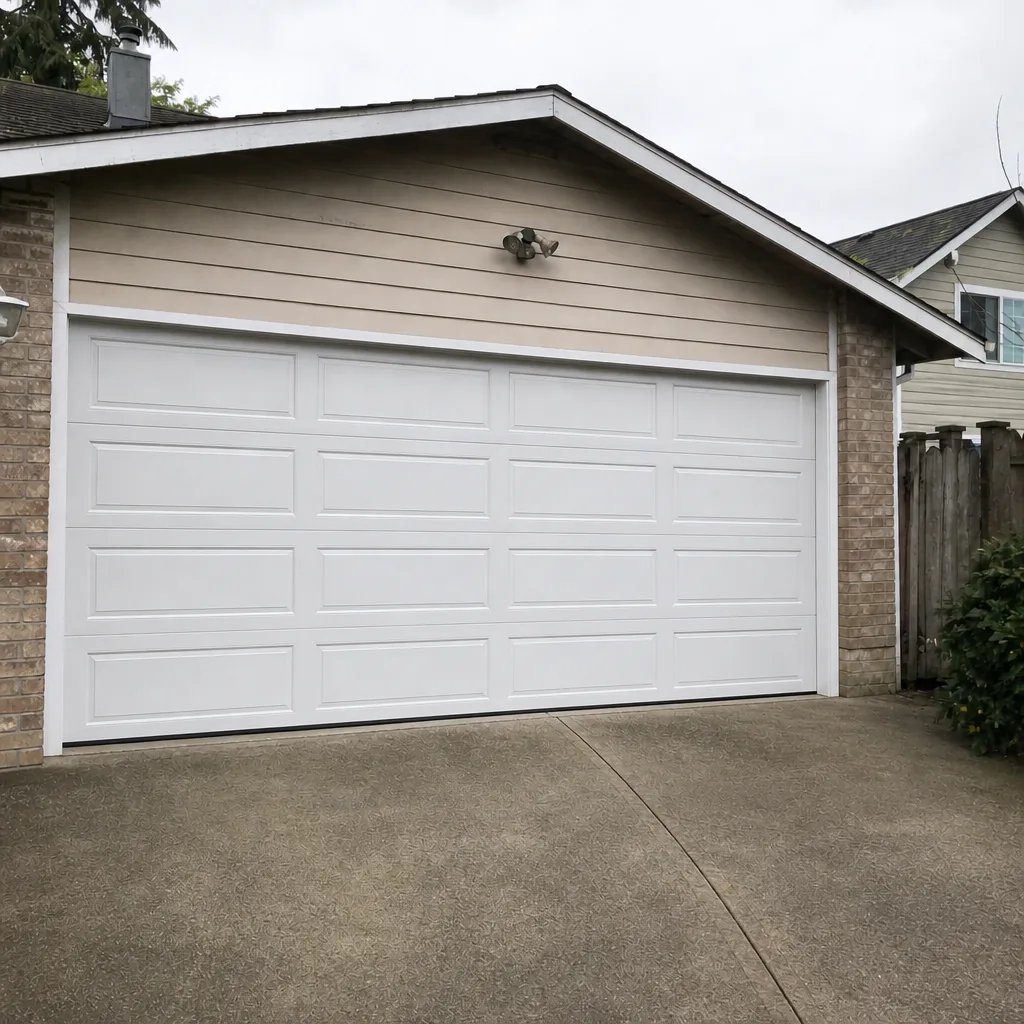 After
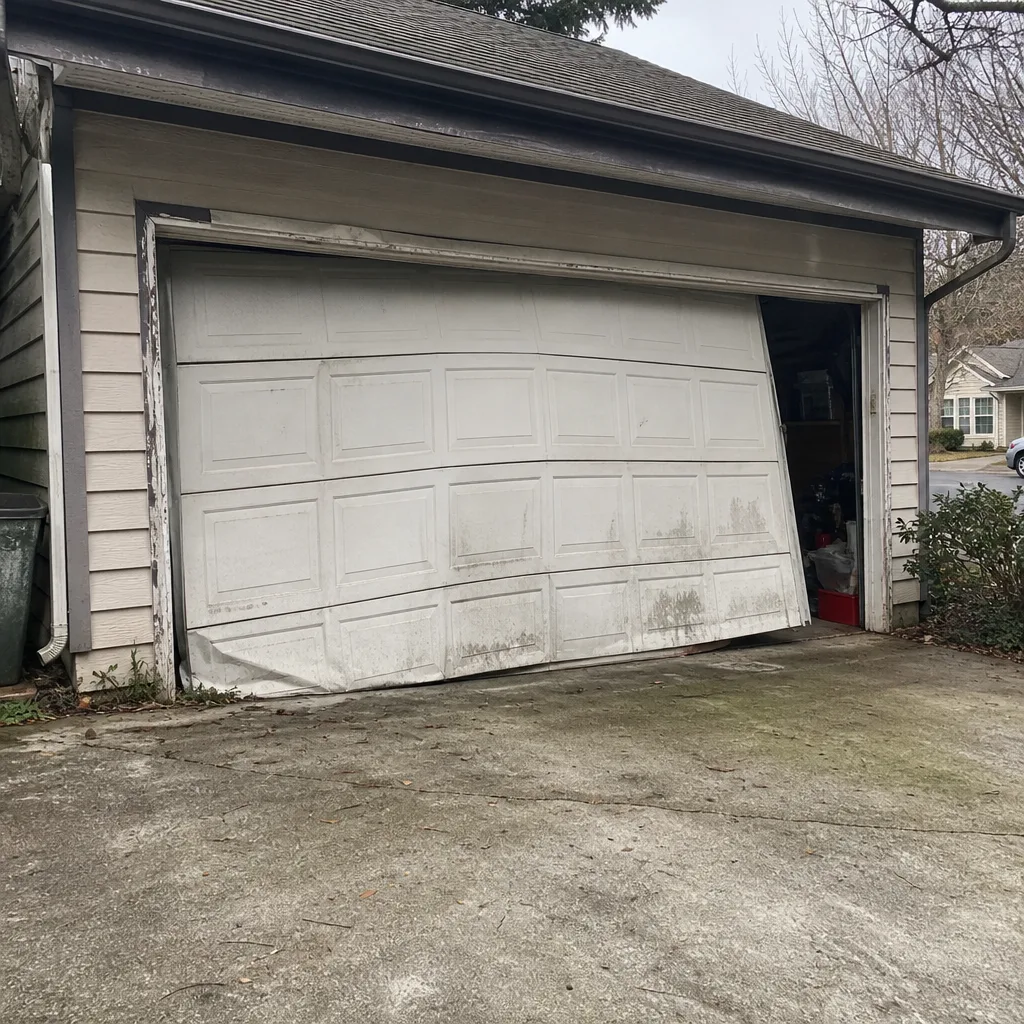 Before
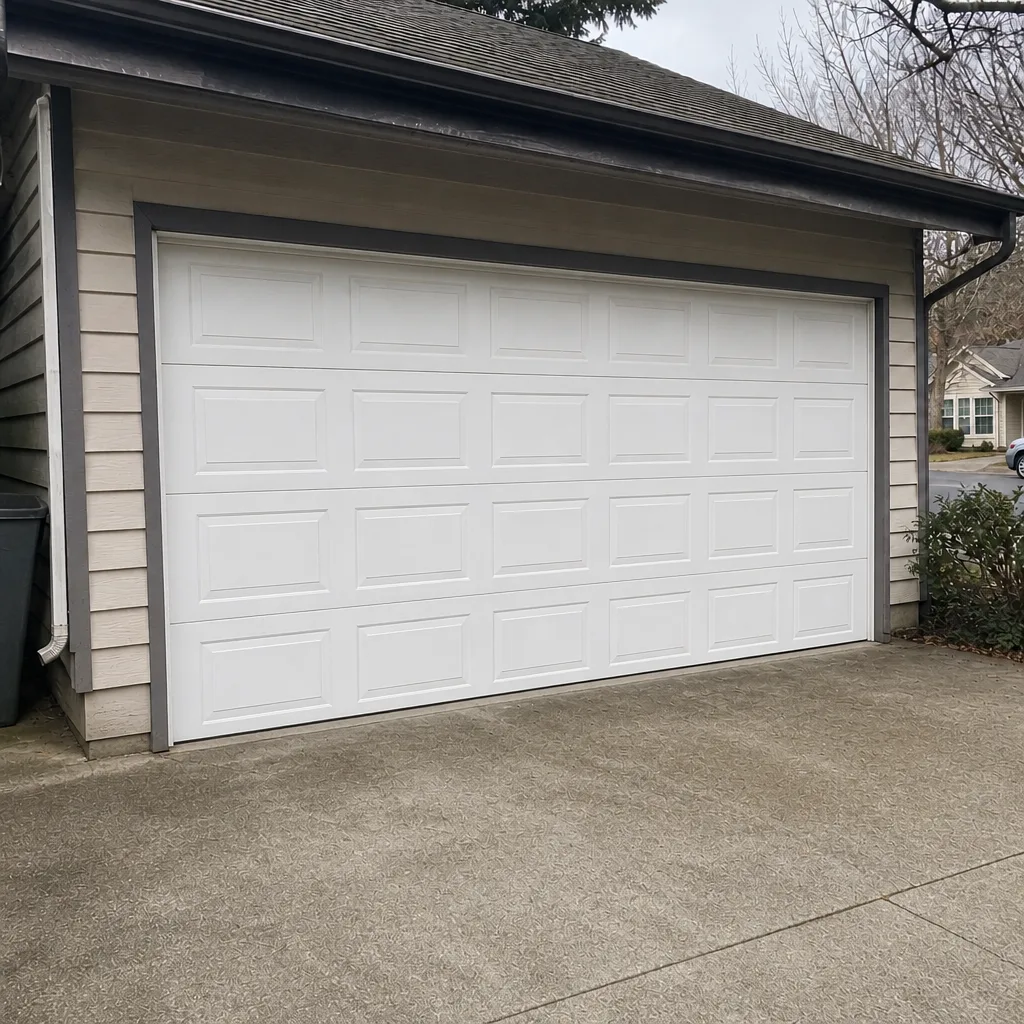 After
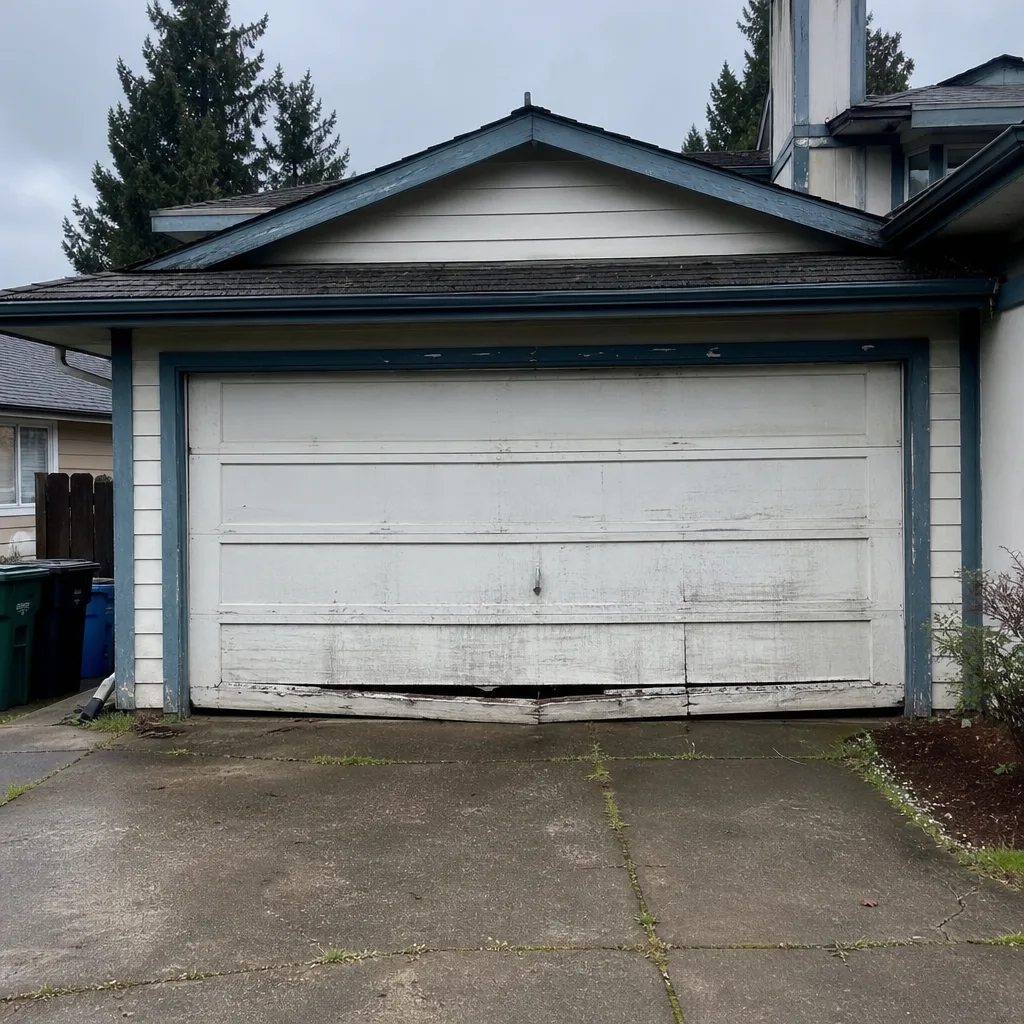 Before
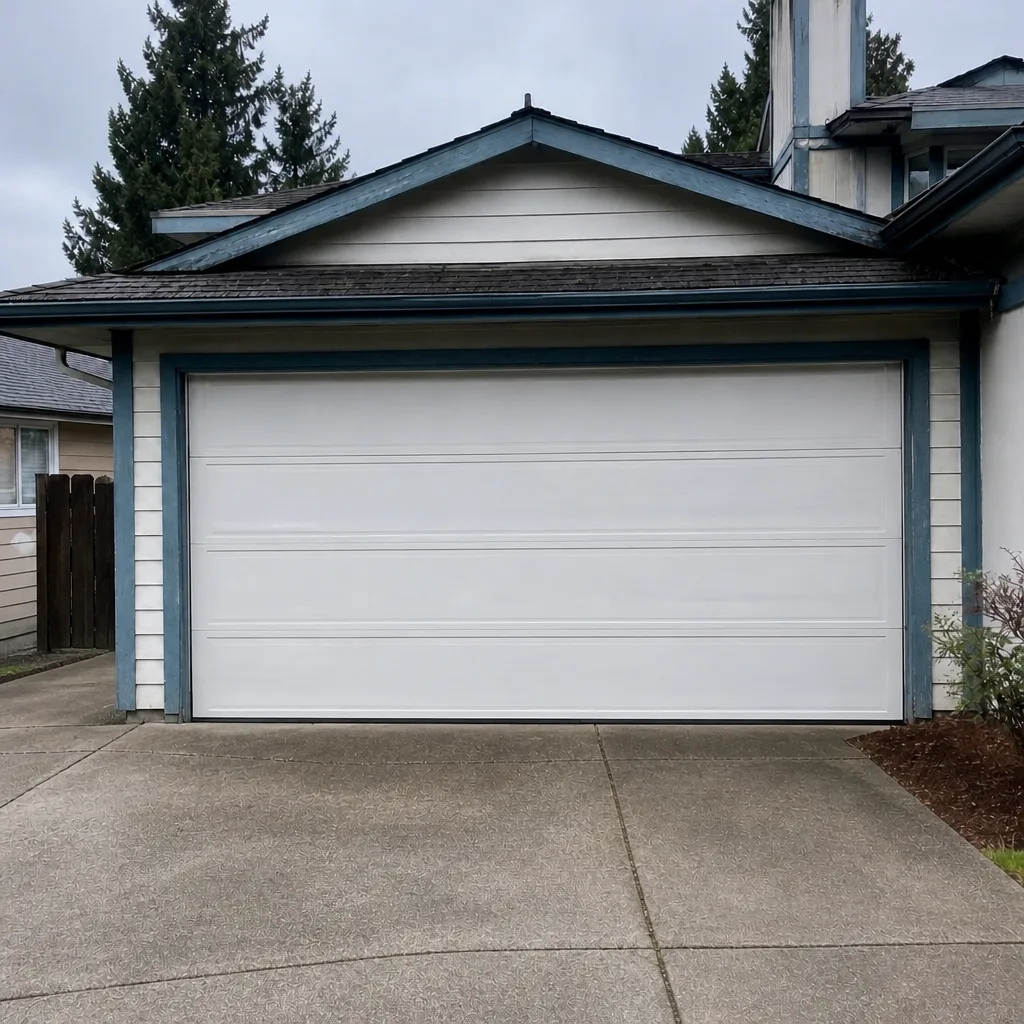 After
When to Call a Professional
Some jobs are maintenance; some are dangerous to touch. Call a professional if you hear a loud snap from the torsion bar and the door won’t lift, if the door feels extremely heavy in your hands, if a cable appears to be loose or off its drum, or if any part of the track has bent away from the door. Any of those are reasons to stop using the door and get help – the spring and cable system is not a safe DIY repair. Call us for a diagnosis on your opener if it reverses on the way down, runs but doesn’t move the door, or grinds at the rail. We answer 24/7, with fast dispatch from 7am to 7pm. Garage Door Repair Federal Way Pros offers free estimates in Federal Way – call (877) 792-6864.
Frequently Asked Questions
Usually less than in a drier climate, because sustained humidity accelerates corrosion and corrosion is what shortens spring life. Standard oil-tempered springs often give noticeably fewer years here than galvanized ones. If your spring shows heavy surface rust or the door suddenly feels much heavier, have it checked before it fails. Call (877) 792-6864 – estimates are free.
An R-value around 9 to 12 is the range where an attached garage in Federal Way starts to feel meaningfully different in winter. Below R-9 the door is mostly a shell; above R-12 the gains get small. If you spend time in the garage or your adjacent room runs cold, an R-9 to R-12 insulated door is the sweet spot.
No – a torsion spring stores a large amount of energy and is under tension even when the door is down. Without the right training and tools, releasing or re-tensioning it can cause serious injury. This is one of the few truly high-risk jobs on a garage door. Call a professional; call (877) 792-6864 for a free estimate.
We work across the eight brands that cover the vast majority of residential doors and openers in this area: LiftMaster, Chamberlain, Genie, Clopay, Amarr, Wayne Dalton, Craftsman, and Raynor. Whether your opener is a legacy Craftsman or a smart LiftMaster, the model family is familiar ground. For a check on your specific model, call (877) 792-6864 – estimates are free.
In most cases yes, but the frame and door weight need to be confirmed first. Some Federal Way garage frames from the late 1980s onward aren’t the modern standard width, and older header wood can be soft near the mounting point. A good install measures both before choosing a model. Call us for a free evaluation of your frame and door.
Yes – repair calls are our core work, and our technicians get to diagnosis fast because spring and opener faults are what we see every day. Same-day service is available for repair jobs within our dispatch window. Call (877) 792-6864. We answer 24/7. Fast dispatch from 7am to 7pm, Sunday through Friday.
The Bottom Line
Federal Way’s wet winters and 1985-2005 housing stock shape garage door problems in ways that generic national guides don’t account for. The durable choices here are galvanized springs, a properly sized spring pair for the actual door weight, an insulated R-9 to R-12 door for attached garages, and an opener matched to the real frame width and door weight. Steel and wood-composite both hold up well against sustained moisture; solid wood demands more upkeep than most homeowners want. When something breaks – a spring, an opener, a track – the safest call is a specialist who works on garage doors every day. To get your door looked at in Federal Way, Garage Door Repair Federal Way Pros offers free estimates and an up-front written price before any work starts. Call (877) 792-6864 today.
Written by the team at Garage Door Repair Federal Way Pros.