
Last updated November 20, 2026
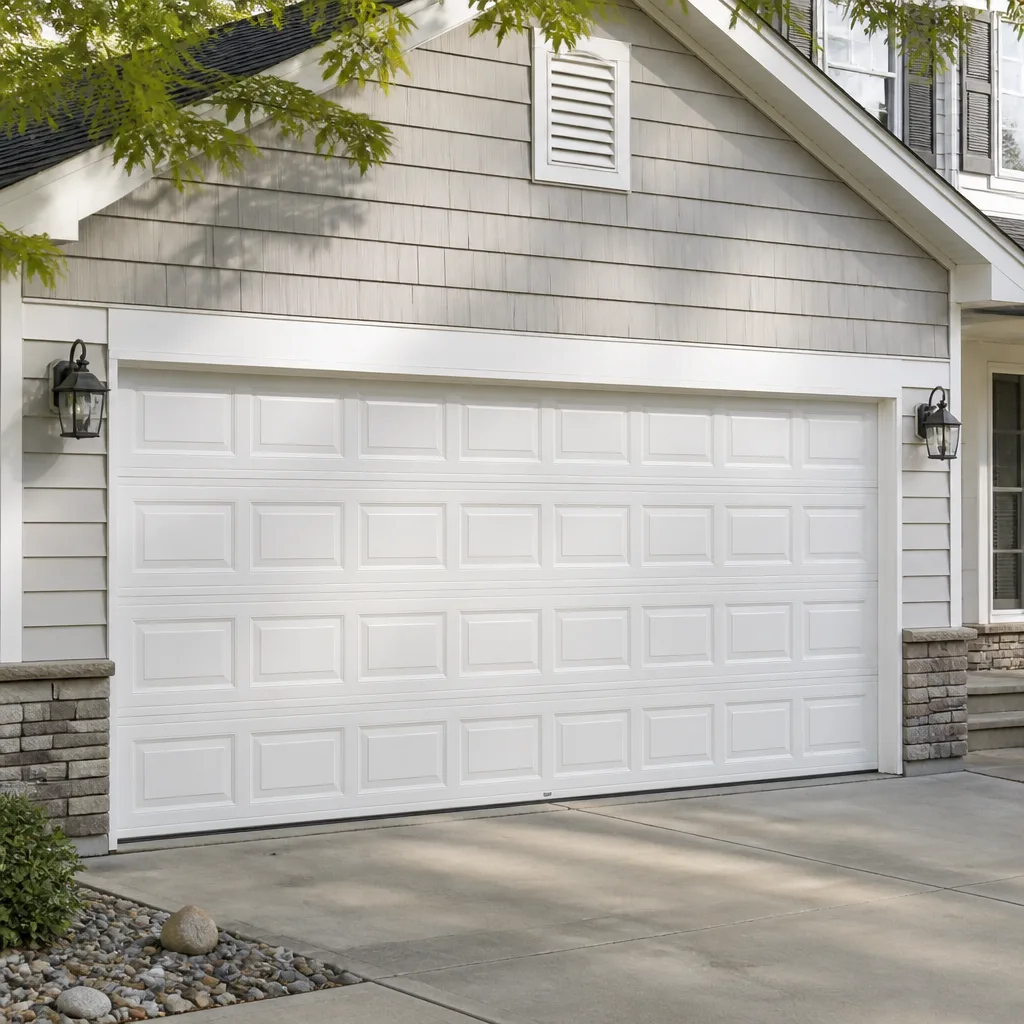 Raised-panel steel
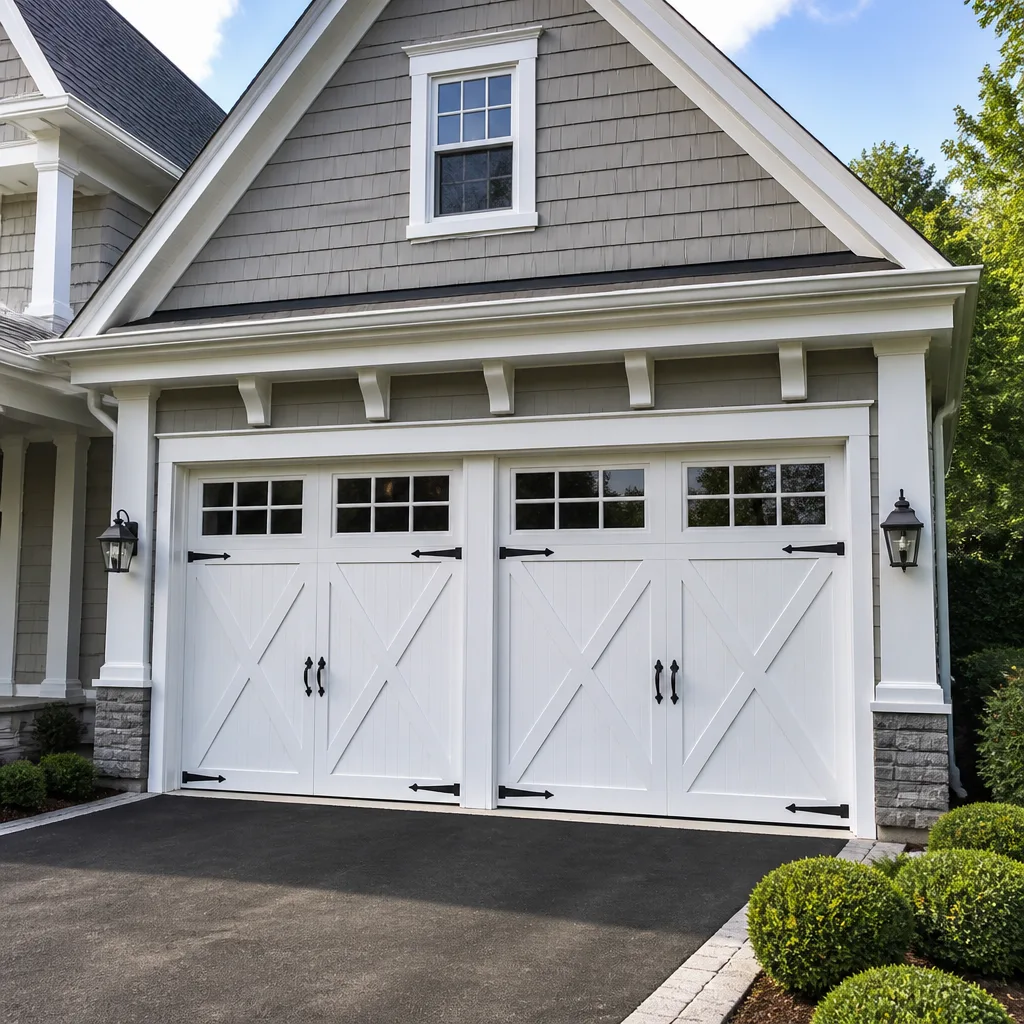 Carriage house
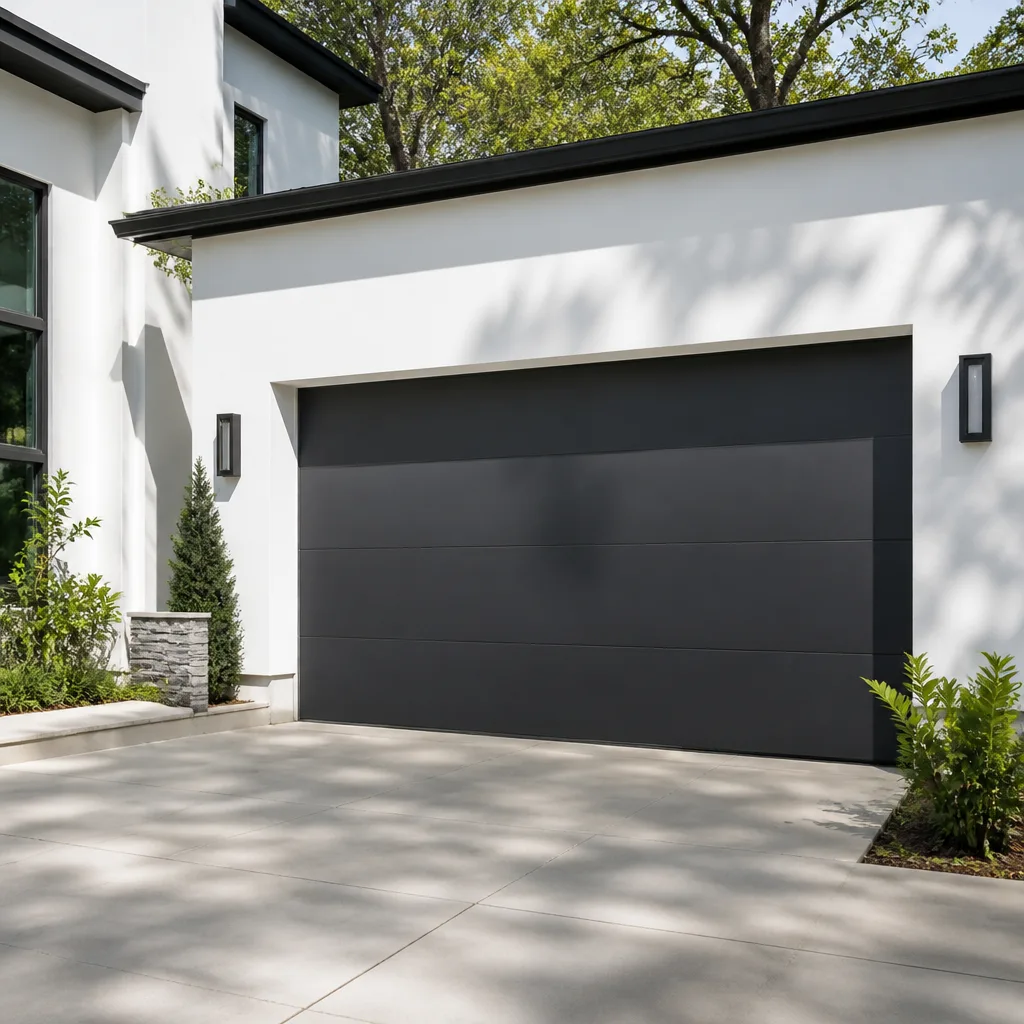 Modern flush
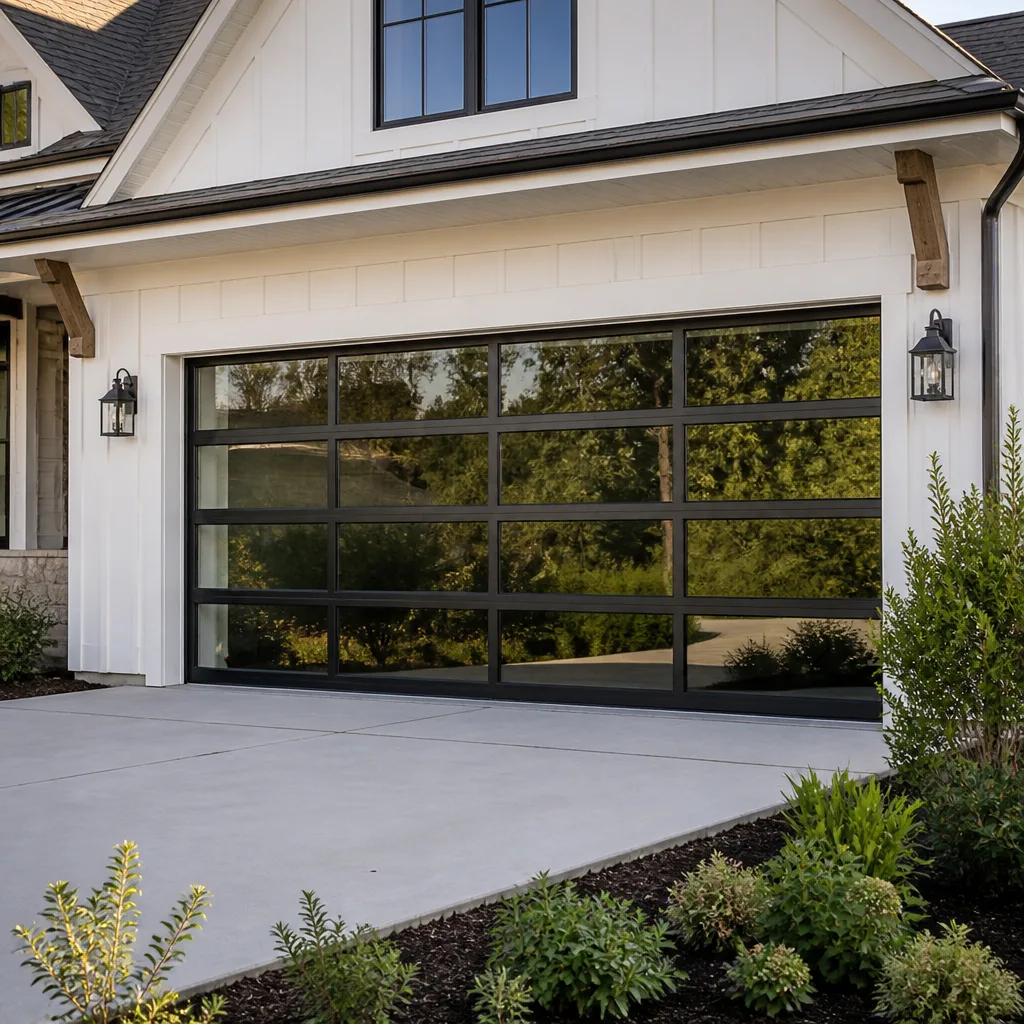 Full-view glass
 LiftMaster openers
 Chamberlain openers
Full 25-point door and opener safety check with every visit - springs, cables, rollers, tracks, and your LiftMaster or Chamberlain opener included
You get a price before we start. It does not change when the pro arrives.
Get your free estimateSeasonal Garage Door Care for Federal Way: Year-Round Homeowner’s Guide
Federal Way doesn’t get the ice storms that crack garage door panels in Minnesota. What it gets is rain, and a lot of it, from November through February. That sustained moisture causes more cable rust and bottom-seal failure here than homeowners expect, and the window to prevent it is September, not January. Most seasonal guides assume a freeze-thaw climate and tell you to prep for ice. This one is built around what actually happens in Federal Way: wet winters, dry summers, and one very specific stretch of weeks when a little maintenance saves a much bigger repair. Here’s the full calendar.
Quick Answer
Seasonal garage door care in Federal Way follows a moisture calendar, not a temperature calendar. The critical work happens in September (clearing and sealing before the rain load arrives), with a lighter post-rain inspection in spring to catch cable rust and seal wear early. Because Federal Way winters are wet but rarely freezing, your maintenance load concentrates in fall rather than spreading across all four seasons.
Styles & brands we work with
- Raised-panel steel
- Carriage house
- Modern flush
- Full-view glass
- LiftMaster openers
- Chamberlain openers
Table of Contents
- Why Federal Way’s Maintenance Calendar Looks Different
- The September Pre-Rain-Season Checklist
- Moisture Intrusion at the Bottom Seal: The Repair Homeowners Delay
- Summer Heat and Your Opener Motor
- The Spring Post-Rain Inspection
- Detached Garages: What’s Different
- Month-by-Month Care Calendar
- When to Call a Professional
Why Federal Way’s Maintenance Calendar Looks Different
Garage door advice written for the Midwest or the Northeast is built around freezing. It tells you to lubricate before the first hard freeze, watch for panels bulging with ice, and worry about the bottom seal freezing to the slab. That advice mostly misses Federal Way. Temperatures here stay mild enough that things don’t freeze hard or fast, but the rain keeps coming for months on end. The component that suffers is not the panel; it’s everything at ground level.
The practical result is that fall carries most of the annual maintenance weight in Federal Way, and the rest of the year is about catching problems early. A door that gets a proper September going-over tends to make it through February without a service call. A door that doesn’t gets a rude surprise sometime in the middle of the wet season. We’ve seen this pattern hold across every door brand we work on, from Raynor and Clopay panels to LiftMaster and Genie openers mounted in the same garages.
That shifts where you put your attention. The overhead track, the panels, and the springs up top get relatively steady conditions all year. Everything within about a foot of the floor is what takes the seasonal beating. And since that’s also where the door’s weather seal lives, it’s the first place to watch.
What each season actually stresses
- Fall: moisture arrives, so the bottom seal, cables, and hinges at floor level are most exposed.
- Winter: sustained wet conditions test the seal and lower-section integrity more than cold does.
- Spring: the value is in inspection – checking what winter did to the cables and seal.
- Summer: heat affects the opener motor more than the door, especially in a garage that faces west.
Because those stresses are different from what a freeze-thaw climate sends, the calendar that follows is built for Federal Way specifically. If you own a garage door here, it’s worth knowing where you are in that cycle.
The September Pre-Rain-Season Checklist
September is the one month that matters most. Get these four things done before the wet season arrives and you head off most of what turns into a winter service call. Miss them and you’ll likely notice a problem right when the rain gets steady.
- Clear the drainage path at the door. A garage door sits at the lowest point of a lot’s grade much of the time. If leaves, soil, or debris have built up against the threshold, water pools against the bottom seal all winter. Clear it before the rain starts coming.
- Inspect and lubricate the seal and hinges. Run a hand along the bottom seal for cracking or a stiff, hardened feel. Wipe it down and apply a silicone-based product rated for rubber. Lube hinges and rollers lightly. Dry contact points that stay lubricated resist rust longest.
- Check the balance and travel. Lift the door by hand about halfway – if it fights you or falls on its own, the springs or balance are off, and that’s worth a professional look before winter. Confirm the opener’s travel limits so it closes fully against a clean threshold.
- Test the safety reverse and look at the cables. Let the door close on an object and confirm it reverses. Glance at the cables along the sides for red or orange dust or any sign of rust before the wet season starts – that’s the tell that a cable is dry or beginning to wear.
Work through those four in a single afternoon in September and you’ve handled the bulk of what makes Federal Way doors fail in winter. The rest of the calendar is lighter, and the spring inspection below is mostly checking that the fall work held.
Moisture Intrusion at the Bottom Seal: The Repair Homeowners Delay
The bottom seal is where Federal Way’s wet season does its quiet damage. Water that pools against it doesn’t just make the garage damp; it works its way into the bottom section of the door over a whole winter. The repair is cheap when it’s just a seal and expensive when water has warped the bottom panel and the whole section needs replacing. That escalation is the thing homeowners here most often delay.
How to tell it’s time
You’re not looking for anything dramatic. The signs are small and specific.
- The seal feels stiff or rock-hard instead of springy when you press it.
- You can see daylight or feel damp air along the bottom when the door is shut.
- The bottom section of the door looks swollen or delaminates at the edges.
- Water sits at the threshold after a rain instead of draining away.
- Pressing on the bottom section with your thumb feels soft rather than firm.
If the seal is the only issue, replacing it before winter is straightforward. If the bottom section has already begun to warp, the seal replacement alone won’t stop the damp – the panel needs attention, and that’s a job for a specialist. This is a big part of why we keep a focus on garage door repair: bottom-section and seal work is exactly the kind of problem that starts small and grows over one wet season.
Our advice is simple: deal with the seal in September or early October. Once the bottom section warps, it stays warped through the summer until it’s replaced. The fix window is before the rain, not after.
Summer Heat and Your Opener Motor
Summers in Federal Way are mild compared to inland areas, but a west-facing garage still takes on real heat in the afternoon. If your garage door faces west, the afternoon sun hits the door and the garage behind it through the warmest stretch of the day. The opener motor, and in particular its logic board, feel that most. Here’s the pattern worth knowing: a motor that cuts out after the door has run several times on a hot afternoon, then works again once it cools, is doing a heat-related cutout. That’s not the door going bad – it’s the opener protecting itself from overheating. It’s also distinct from a genuine logic-board failure.
Telling a heat cutout from a failed logic board
- Note when the door stops: does it shut down after a string of cycles on a hot afternoon, then later run again? That’s heat.
- Try the door in the cooler morning hours. If it runs normally when the garage is cool, heat is likely the trigger.
- Check the manual safety release – if the door moves fine by hand, the door itself is fine and the opener’s control is the issue.
- Look for logic-board symptoms instead: a board that won’t respond at all, repeat the same error pattern regardless of temperature, or won’t power the motor even when cold.
If it’s a heat cutout caused by a struggling motor or a wiring issue, the fix is finding the weak point rather than replacing the whole unit. Our opener work spans both ends of the market, and we repair across brands – a LiftMaster or Chamberlain unit in a west-facing garage gets the same careful diagnosis as a budget Genie. If your opener has stopped responding entirely, that’s the point to bring in a specialist – our garage door opener repair covers both smart and legacy systems. The right move is to identify whether it’s the motor or the logic board before anything gets swapped, because the two fixes are very different.
Short version: a cutout is a symptom, not the diagnosis. A little time watching when the door fails tells you a lot about which component is at fault.
The Spring Post-Rain Inspection
By spring, the wet season has done its work, and the inspection is about catching anything that started under winter load. The focus this time is the cables. Cables under tension and exposed to months of damp can show surface rust that, left alone, progresses toward fraying. Surface rust that shows as a dry, reddish dust or slight discoloration along the cable is the early stage and worth noting. Frayed wire, broken strands, or a cable that looks noticeably worn is a different matter – that needs a professional, full stop. A damaged cable under tension is dangerous, so don’t try to inspect it closely by manipulating it. Spring is the time to catch the surface rust before it moves toward that point.
What to look at after the wet season
- Cables: any reddish dust or surface discoloration on the lower runs, and whether the cable feels smooth along its length when viewed from a safe distance.
- Bottom seal: whether the fall work held, and whether the bottom section stays dry.
- Bolts and hinges: any rust where the door hardware meets the floor line.
- Door movement: whether the door still opens and closes evenly and without unusual noise.
Cable work and spring work are two of the most physically dangerous jobs in this trade. A tensioned spring or cable can do serious injury if it releases while someone is working on it. If your inspection shows a cable with visible wear or any fraying, that’s a call for a trained technician, not something to tighten yourself. Our garage door spring repair handles this class of work, and our technicians have up to 13 years of experience with it.
The spring inspection is cheap in time and protects you from the expensive kind of surprise. Twenty minutes with a flashlight is all it takes.
Detached Garages: What’s Different
If your garage is detached from the house, your maintenance calendar has a few extra items an attached-garage owner doesn’t need to think about. Detached garages in Federal Way sit exposed on all four sides, and they don’t benefit from the house’s shared wall warmth or its drainage pattern. Most of the difference shows up around the weatherstripping and the opener.
Weatherstripping for a detached garage
Beyond the bottom seal, a detached garage has perimeter weatherstripping around the frame, and that’s exposed to a full season of rain on every side. Heavy rain off the roof and driveway can work against the frame strip in ways a shared-wall garage never experiences. Check the strip around the frame each September and again after heavy rain. Where it’s cracked or pulling away, reseal it. Where it’s stiff and dry, a light coating helps it flex instead of splitting through the winter.
Opener heating and cold garages
A detached garage runs colder than an attached one and has no house warmth bleeding through the shared wall. That matters for the opener. In the cooler months, a detached garage can stay cold enough that some openers are slower to respond or more sensitive to their thermal settings. If your opener struggles in a detached garage, it’s worth having the unit checked for how it’s set to run in a colder space – one good reason to match the opener to the space and to know whether it’s behaving normally or needs repair.
Bottom line for detached-garage owners: check weatherstripping on all sides, not just the bottom, and pay a little more attention to how your opener behaves in cold months.
Month-by-Month Care Calendar
Here’s the same advice as a calendar you can follow through the year. Everything here assumes a Federal Way climate: wet winters, mild summers, one concentrated fall prep window.
- September: the core cleaning. Clear drainage at the threshold, inspect and lubricate the bottom seal and hinges, check door balance, test safety reverse, look at the cables. This month carries most of the year’s value.
- October: a light follow-up. Re-check the seal after the first heavy rain to confirm the seal is keeping water out and the threshold is draining.
- November-February: watch months. Glance at the seal and cables after big storms. Don’t do anything that requires close handling of a tensioned spring or cable.
- March-April: the spring inspection. Check the cables for surface rust, confirm the seal and bottom section are dry, and confirm the door moves evenly.
- May-August: heat months. Watch the opener in a west-facing garage for cutouts, and check hinges and rollers for noise.
- Any time: if you hear an unusual noise or notice the door moving unevenly, stop and call – it’s usually cheaper to fix early.
The whole calendar comes down to two things: do the work in September, and look in the spring. The rest of the year is observation.
Common Mistakes to Avoid
- Waiting until it fails to maintain. Federal Way’s wet season doesn’t gradually fail a door; it works for months and shows you the failure in winter, when you least want to deal with it. The repair is cheaper in September.
- Ignoring the bottom seal because the door still opens. A dry, stiff seal still works mechanically, so it’s easy to leave. That’s what lets the bottom section warp. Fix the seal before the weather turns.
- Lubricating the wrong things. Some parts want light lubrication and some shouldn’t be coated. Wipe a dry hinge with the wrong product and you can make it stiffen instead of freeing it – use a rubber-safe silicone on the seal and never oil the tracks, since that attracts dirt.
- Assuming a hot-day cutout means a dead opener. In a west-facing garage, a motor that stops on a hot afternoon and later works is more likely overheating than failing. Check the behavior before you replace anything.
- Handling a tensioned cable or spring. This is the single most dangerous mistake in this trade. A scratched or worn cable is a professional’s job, not a weekend task, and forcing it can result in serious injury.
- Treating a detached garage like an attached one. A detached garage needs weatherstripping checked on all four sides and a closer look at how the opener behaves in cold weather.
- Skipping spring inspection. Catching surface rust in spring saves the cable from fraying over the next wet season.
See the difference
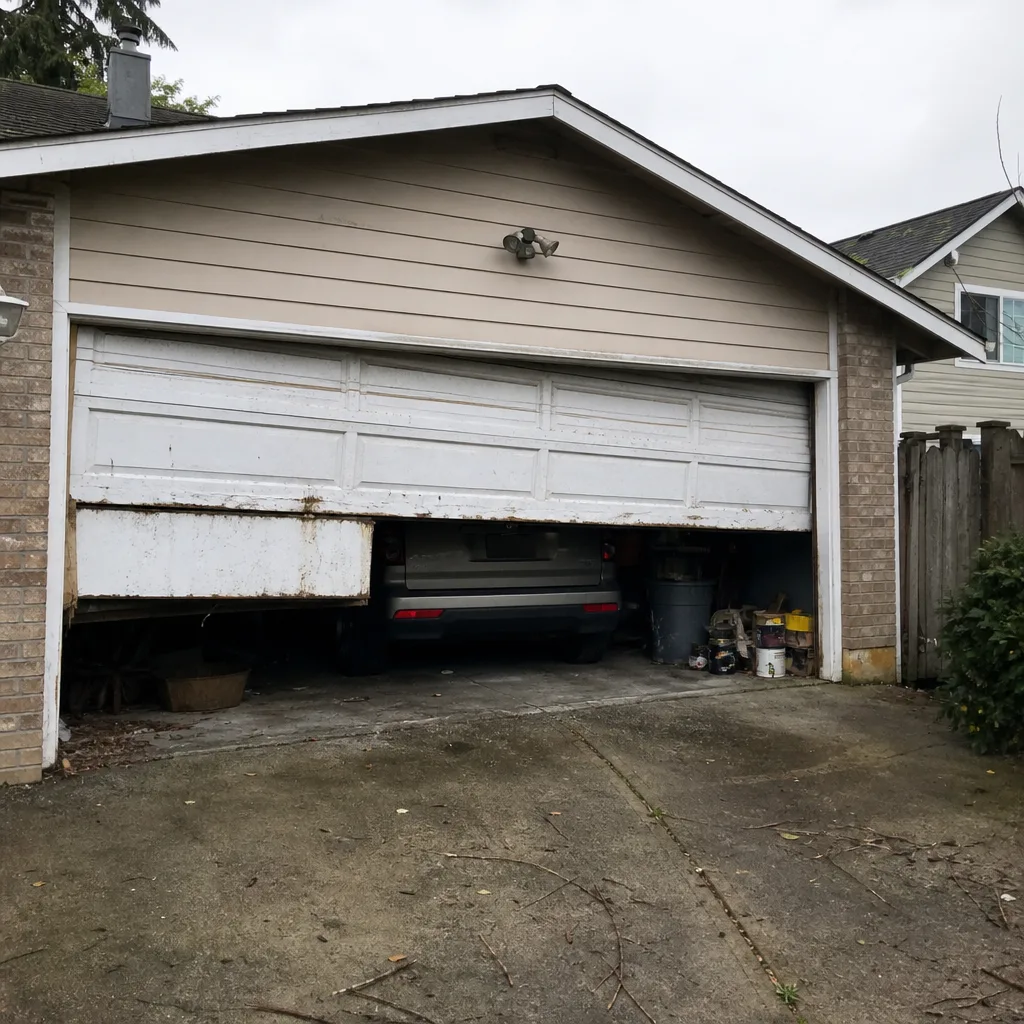 Before
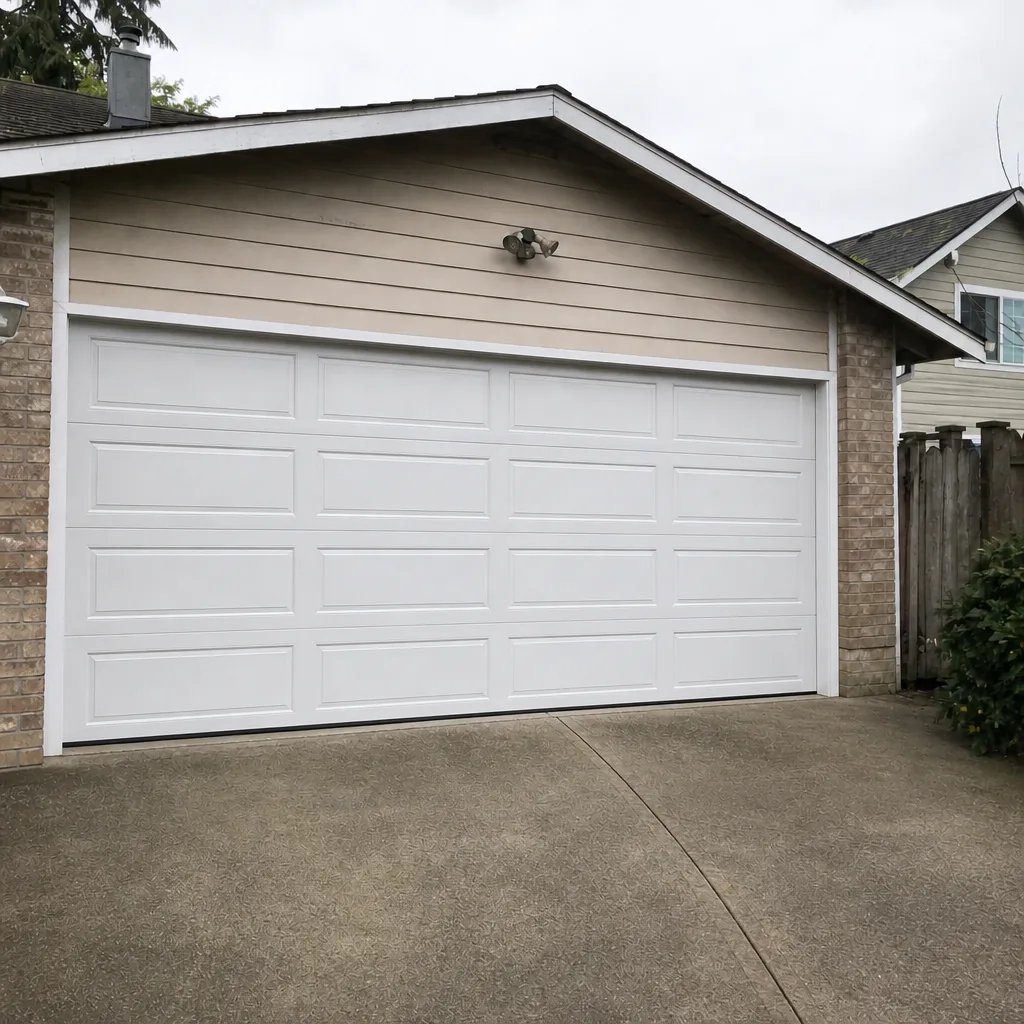 After
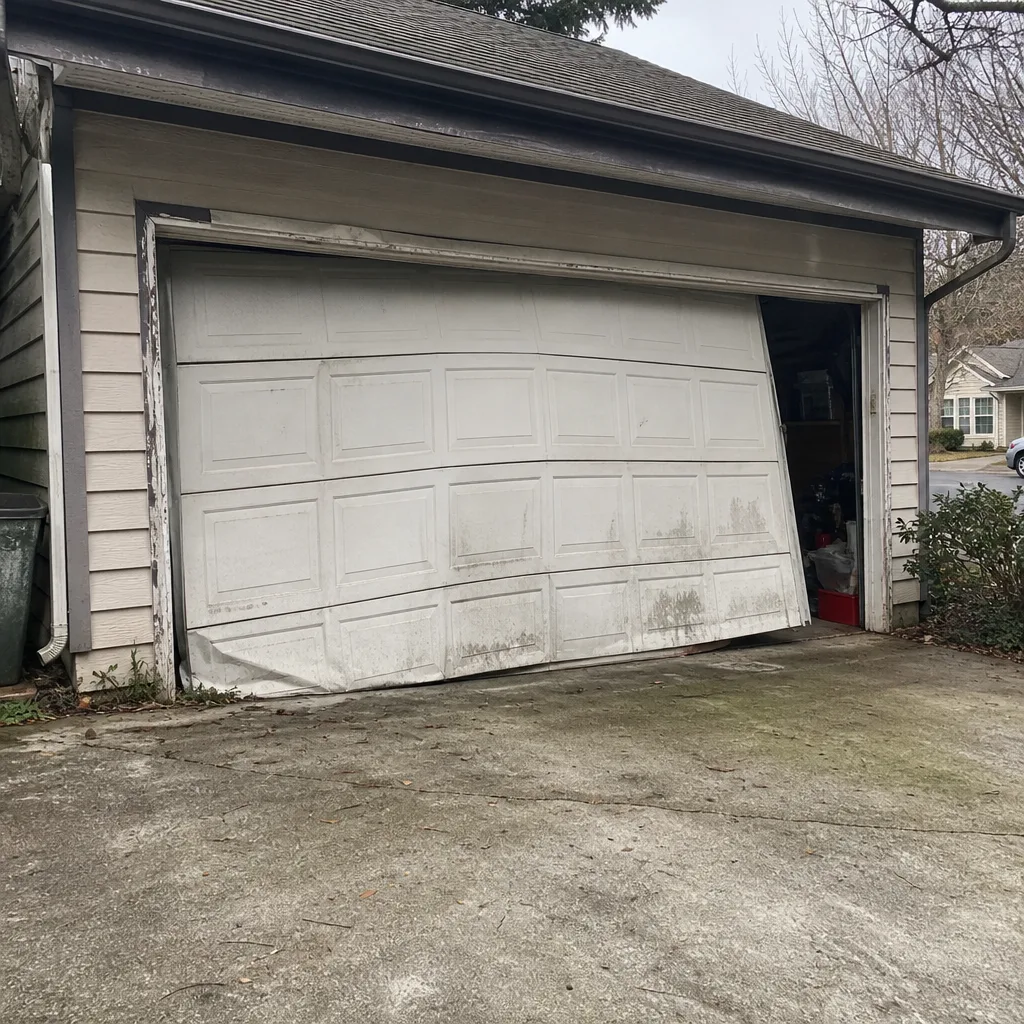 Before
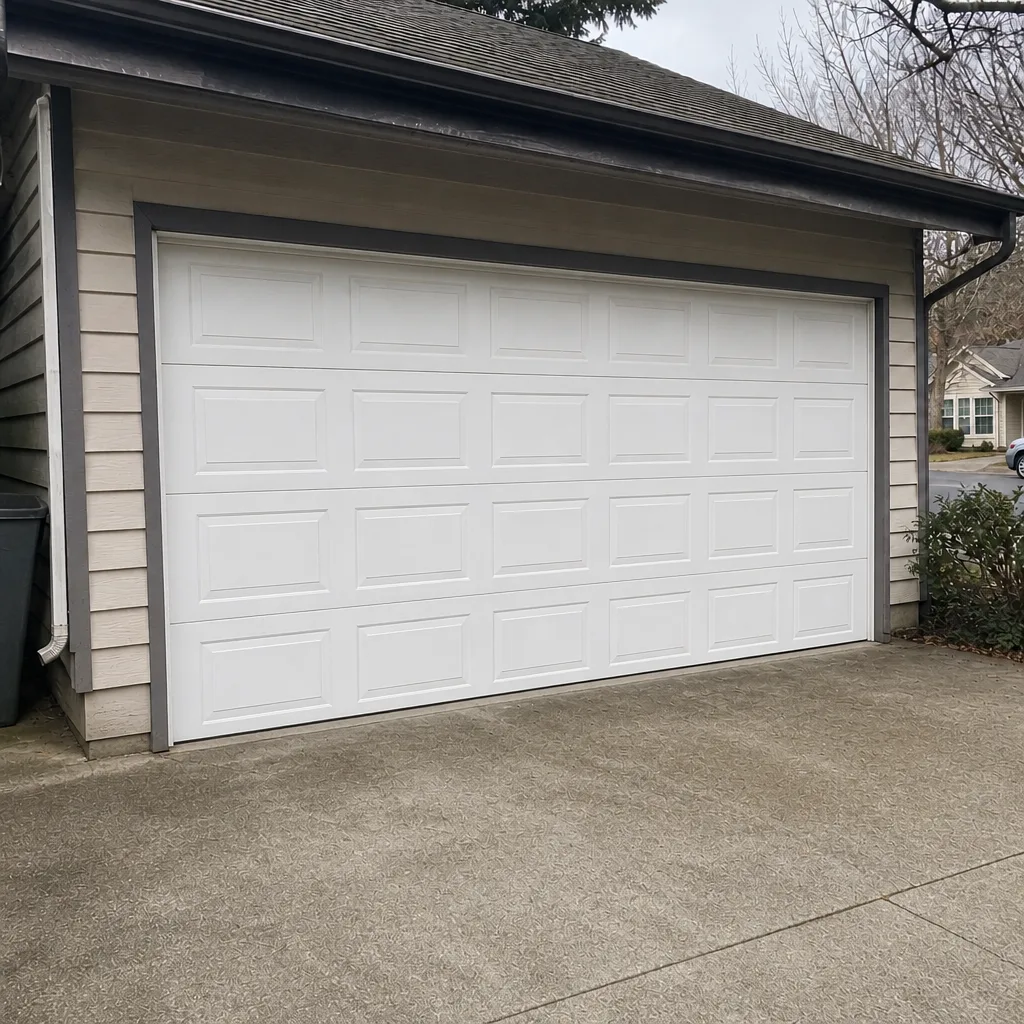 After
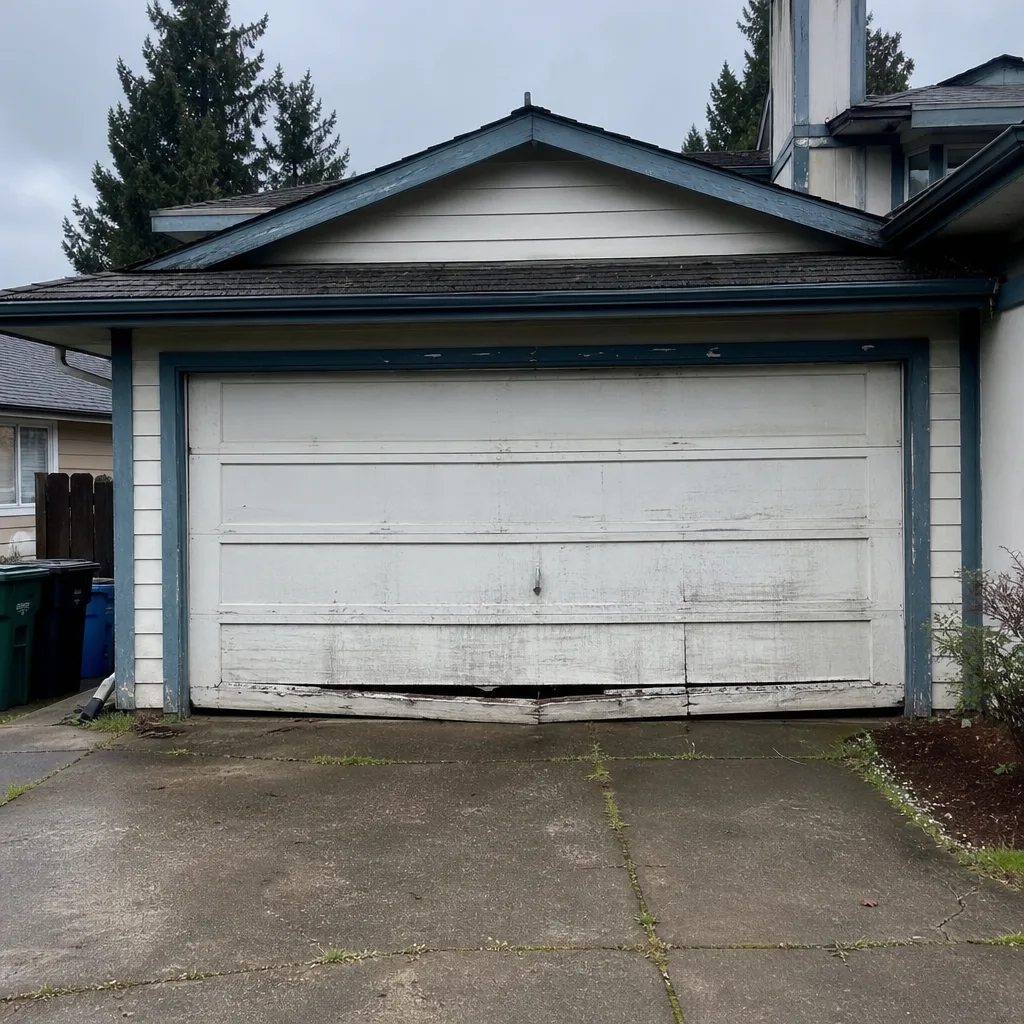 Before
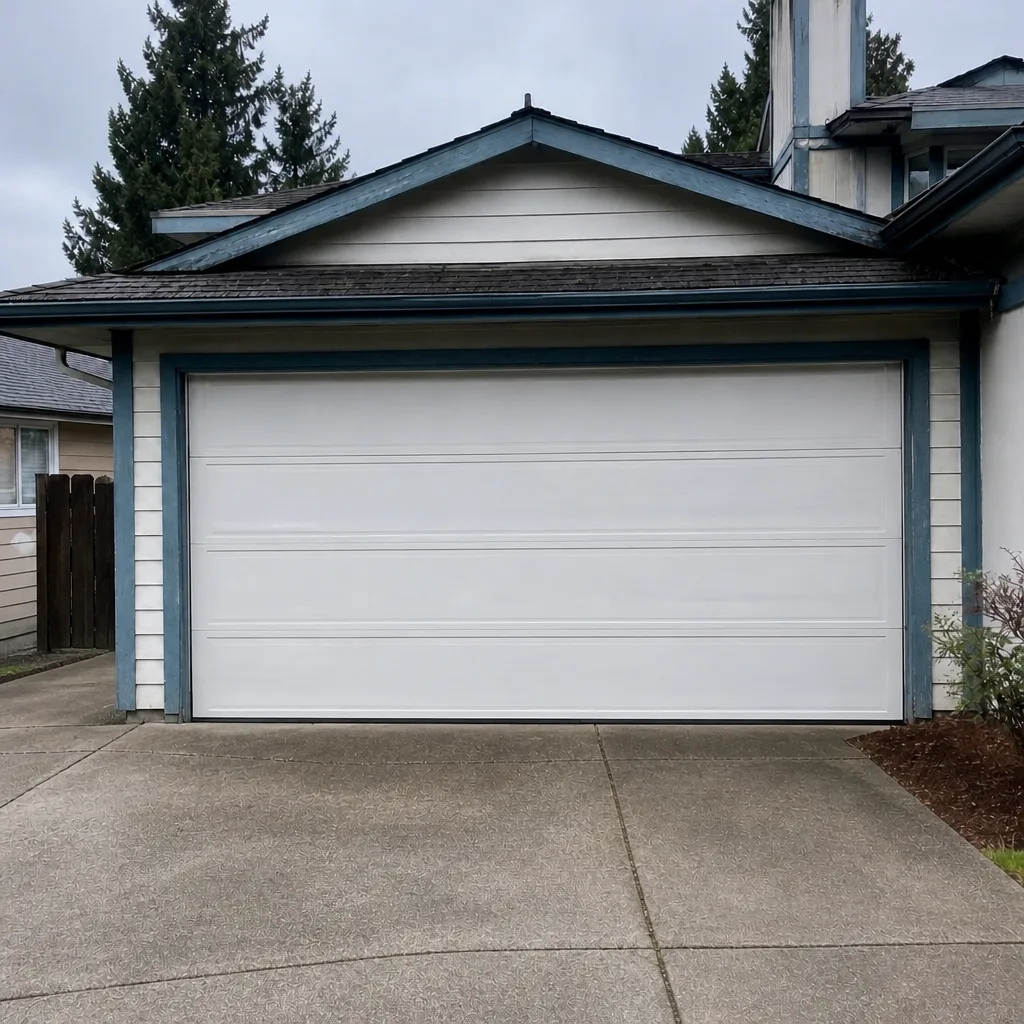 After
When to Call a Professional
Many seasonal tasks are safe for a homeowner: clearing drainage, lubricating the seal, watching for damage, checking the seal for daylight. Some jobs need a specialist the moment you spot them. Call about a cable with visible wear or fraying, a spring that’s making a snapping noise, a door that’s off-balance, an opener that won’t respond or a logic board that’s behaving erratically, or a bottom section that’s warped from water. The team at Garage Door Repair Federal Way Pros is trained on the brands your door and opener likely use – LiftMaster, Chamberlain, Genie, Clopay, Amarr, Wayne Dalton, Craftsman, and Raynor – and that focus means a faster diagnosis because we’ve seen the same failure before. Garage Door Repair Federal Way Pros offers free estimates in Federal Way – call (877) 792-6864. We answer 24/7. Fast dispatch from 7am to 7pm, Sunday through Friday.
Frequently Asked Questions
September. The pre-rain-season checklist is the single most valuable thing you’ll do all year, because it’s what keeps the wet season from turning a small seal repair into a warped bottom section. Clear the drainage, lubricate and inspect the seal, check balance, and look at the cables before the rain gets steady.
Look for a bottom section that looks swollen or delaminates at the edges, a bottom seal that feels stiff or rock-hard, or daylight and damp air along the bottom when the door is shut. If pressing on the bottom section feels soft rather than firm, that’s warping in progress. Deal with the seal before the wet season; once the section warps it stays warped until it’s replaced. Call (877) 792-6864 for an exact quote – estimates are free.
Probably not. In a west-facing garage, an opener that cuts out after several cycles on a hot afternoon and then works again once it cools is most likely doing a heat-related thermal cutout. That’s different from a logic-board failure, which won’t respond regardless of temperature. Have a specialist confirm which component is at fault. Call (877) 792-6864 for an exact quote – estimates are free.
Yes, and that’s exactly the point. In Federal Way the risk is moisture during the wet months, which can begin to rust the cables. A spring inspection catches those cable issues after the wet season, before they move toward fraying. It’s a twenty-minute check that protects a couple of important components.
Check weatherstripping around the whole frame, not just the bottom – a detached garage is exposed on all four sides and doesn’t benefit from the house’s shared wall. Also watch how the opener behaves in colder months, since a detached garage runs colder and some openers can be slower or more sensitive. Call (877) 792-6864 with questions about your opener before winter.
You can safely do the cleaning and lubrication: clear the drainage, lubricate the seal, check for damp and daylight, and watch for noise. Anything involving the cables or springs, handling a tensioned component, a door that’s off-balance, or an opener that won’t respond needs a specialist. It’s not worth the risk of working on a tensioned spring or cable yourself. Call (877) 792-6864 for a free estimate.
The Bottom Line
Federal Way’s garage door calendar isn’t the one written in most guides. You’re not prepping for ice; you’re prepping for months of sustained rain. The four-item September checklist does most of the work, keeping moisture away from the bottom seal and cables before it warps the door or rusts the tension lines. Spring is about checking what winter did. Summer is about watching the opener in a west-facing garage. Handle the seal in September, inspect the cables in spring, keep the opener in mind in the heat, and a detached garage gets one more look at its weatherstripping. Do that and you spend far fewer winter mornings on a repair. And if something needs a trained set of hands, we’re here for it. Call (877) 792-6864. We answer 24/7. Fast dispatch from 7am to 7pm, Sunday through Friday. If your door fails on a Saturday, you can call and we’ll book you for Sunday – and for the rest of the year, our team at Garage Door Repair Federal Way Pros keeps the maintenance simple.
Written by the team at Garage Door Repair Federal Way Pros.